In the tea stalls and market corners of Shillong, you will sometimes hear a curious phrase: teer dream number. A player mentions a vivid dream from the night before, a friend nods knowingly, and a conversation begins about what the dream might signify. To an outsider, it sounds like a betting tip. To understand it properly, you need to see it for what it actually is: a folk tradition, a piece of living culture from the Khasi Hills, wrapped around a lottery game. This guide explains the teer dream number tradition as cultural folklore, where it comes from, how it lives in communities today, and why it must never be mistaken for a way to predict results. This article is informational only. It contains no betting advice, no dream interpretations for playing purposes, and no suggestion that dreams influence teer outcomes in any way.
What Teer Dream Number Means in Folk Culture
At its simplest, the teer dream number is a folk custom in which some teer players associate their dreams with numbers, and then discuss those associations socially. A person dreams of rain, or a journey, or an animal, and in the morning tells others about it. Listeners respond with the numbers that tradition, rumor, or personal habit connects to such dreams. The conversation is social and often playful, closer to discussing horoscopes over tea than to studying a form guide.
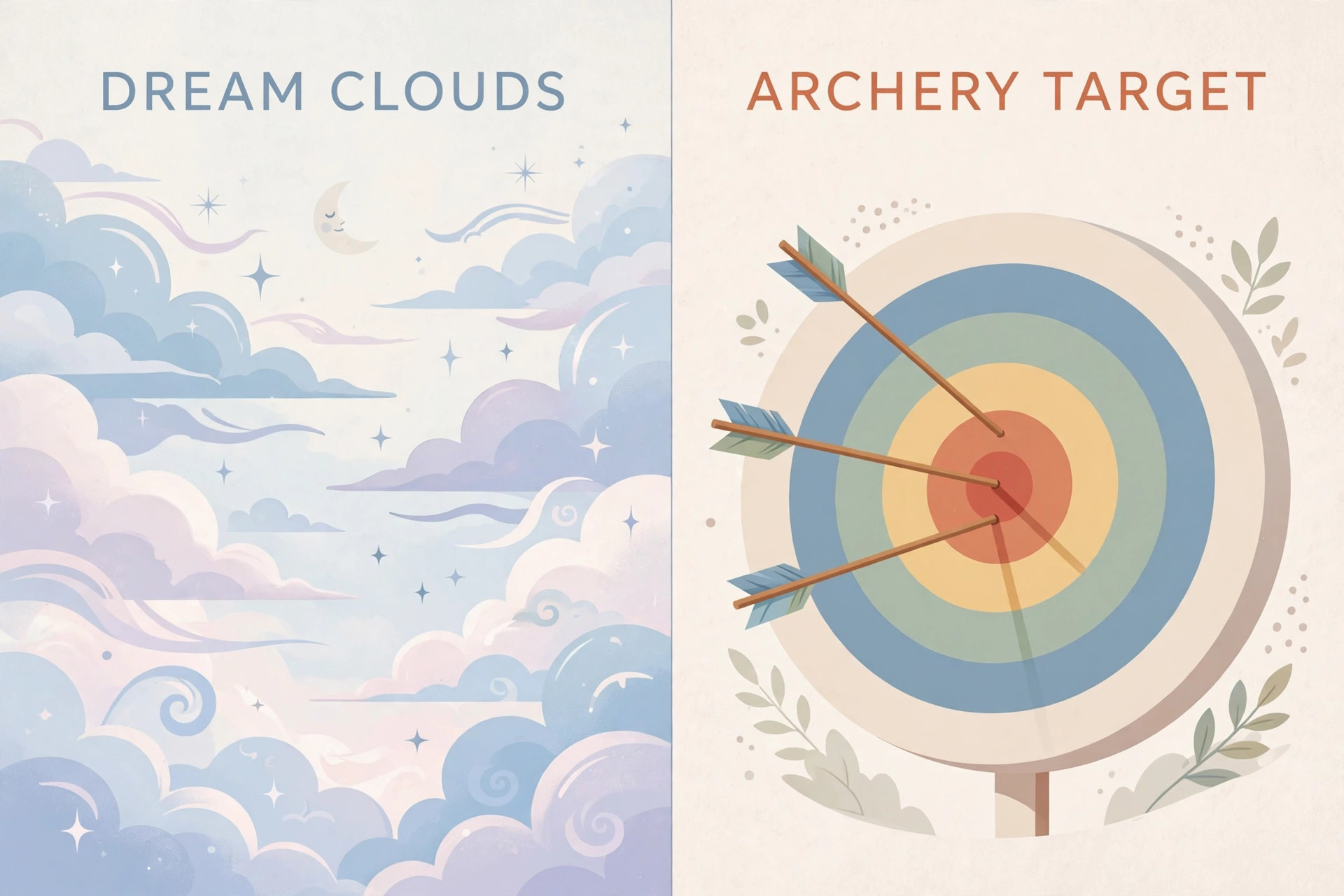
It is essential to state the reality plainly: teer results are decided by archery. Dozens of archers shoot arrows at a target, officials count the arrows that hit, and the last two digits of the count become the declared number. Dreams do not influence the archers’ aim, the wind, or the count. No dream, however vivid, has any causal connection to any teer result, past or future. The folk custom exists alongside the game; it does not participate in it.
Understanding this distinction is what separates cultural appreciation from superstition. Folklore scholars study customs like this because they reveal how communities make meaning, share stories, and bond over shared experiences. The teer dream number tradition is interesting for exactly these reasons. It is not interesting as a source of betting insight, because it has none to offer.
Teer Dream Number – Origins of the Tradition
Dream interpretation is far older than teer. Across the Khasi Hills and throughout South Asia, dreams have long been treated as meaningful experiences, discussed with elders, woven into stories, and sometimes read as omens or messages. Long before the archery lottery existed in its modern organized form, Khasi culture already had rich traditions of dream narration: a striking dream was something you told the family about at breakfast, and the elders might offer their thoughts on what it meant for the days ahead.
When teer grew into the daily institution it is today, with its two digit results declared twice a day across multiple sessions, it created a natural meeting point with this older custom. A game built on numbers, played daily by thousands of people, will inevitably attract every number related folk belief in the cultural neighborhood. Dreams, already culturally significant and already discussed socially, became one more thread woven into the teer conversation.
The tradition also travels through the specific social spaces where teer is played and discussed: the counters where tickets are bought, the tea stalls nearby, the groups of regulars who gather at declaration time. In these spaces, talk is the main entertainment between rounds, and dream stories are excellent talk. They are personal, vivid, and open ended, which makes them perfect material for the long waits between the morning and afternoon sessions. The custom survives because it serves a social function, not because it serves a predictive one.
It is worth noting that similar customs exist around lotteries and number games in many cultures worldwide, from dream books sold alongside lottery tickets in other countries to the long tradition of interpreting dreams for lucky numbers in various folk cultures. The teer version is a local expression of a universal human habit: finding patterns and meanings in randomness, and sharing those meanings as stories.
How the Dream Number Tradition Varies Across Communities
Like all folklore, the teer dream number custom is not uniform. It varies by place, by generation, and by social circle, which is itself evidence that it is culture rather than system. In Shillong city, where the game is most commercialized and the player base most diverse, dream talk tends to be casual and humorous, one more topic among many in the counter queue. In smaller towns like Jowai, where community ties run deeper, the same conversations can carry more traditional weight, with elders’ interpretations given genuine respect as cultural wisdom rather than betting intelligence.
Generational differences are pronounced. Older players, who grew up when the folk traditions were stronger and the game less commercial, often treat dream narration as a meaningful social ritual regardless of what they actually believe about its predictive power. Younger players, raised with smartphones and instant result apps, are more likely to treat it as entertainment or meme material, sharing funny dream stories in messaging groups with the same energy they bring to any other joke. Both attitudes keep the tradition alive, but in very different forms.
Regional variation extends to which dreams get the most attention. Water dreams, animal dreams, and dreams of journeys recur across accounts, which is unsurprising: these are among the most commonly remembered dream themes in every culture studied by sleep researchers. The specific numbers people attach to them, however, vary from teller to teller, which is the clearest possible sign that no genuine system underlies the custom. A real system would converge on consistent answers. Folklore diverges, because each telling is a new act of creativity.
This variability is precisely what makes the tradition worth documenting and understanding as culture. It is a living, changing, locally rooted practice, and like all such practices it tells us about the people who keep it, not about the numbers they discuss.
Dream Stories in Teer Culture – How the Custom Lives Day to Day
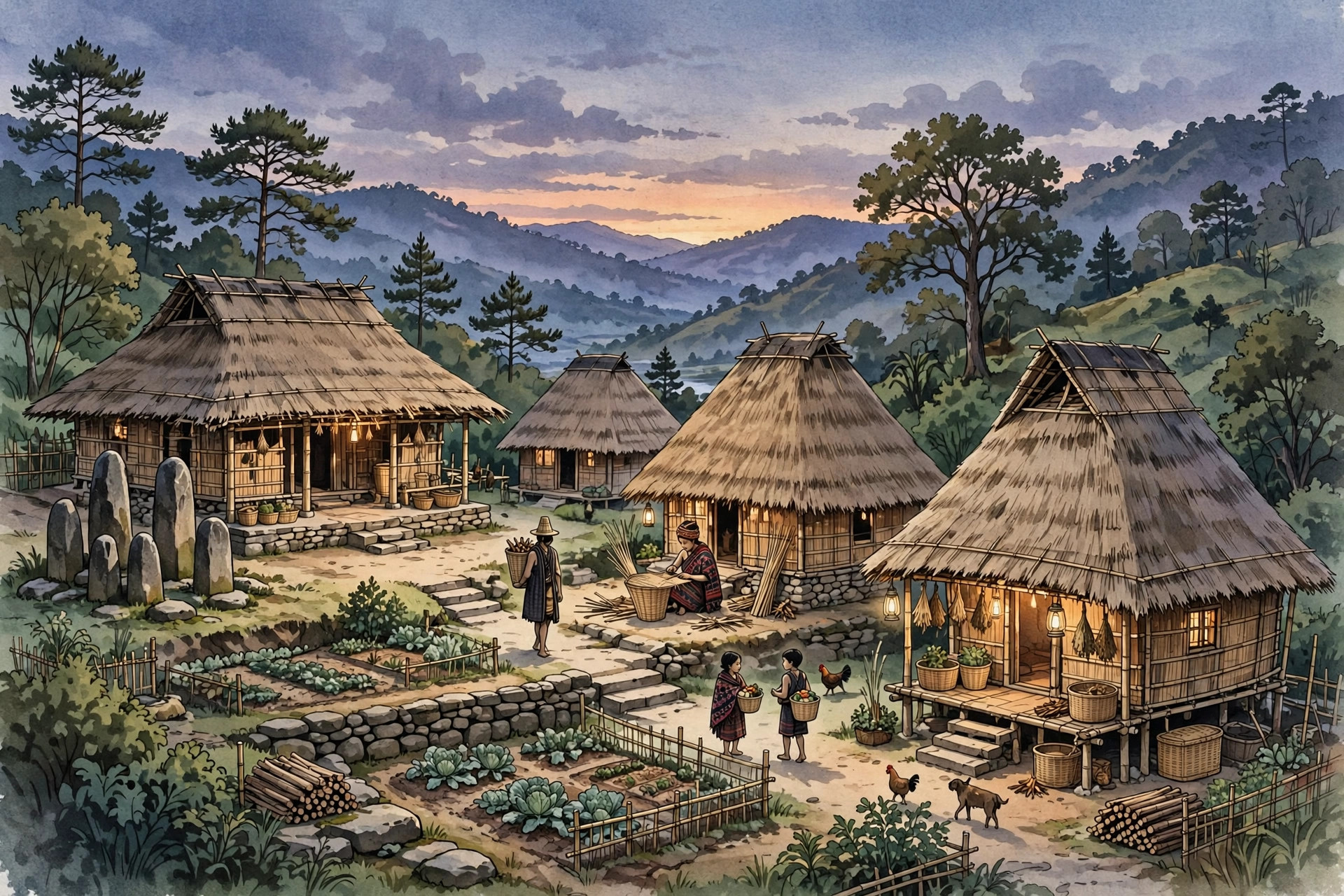
To see the tradition in its natural habitat, imagine a typical game day morning near the Polo Ground in Shillong. The morning session archers are preparing, and a loose crowd of regulars has gathered at the nearby stalls. Someone mentions a strange dream: a river flooding its banks, or a long road through the hills. The group responds with the easy fluency of people who have had this conversation a hundred times. One person offers a number their grandmother always used for water dreams. Another laughs and offers a different one their uncle swears by. A third says both are nonsense and orders another tea. The conversation moves on to the weather, the archers’ form, and what time the FR might declare.
Notice what did not happen in that scene. Nobody treated the discussion as research. Nobody wrote anything down with the seriousness of a financial decision. The dream story functioned as social glue, a way for the group to enjoy each other’s company during the wait. This is the tradition’s real habitat, and it is a warm and human one.
The custom also appears in the digital spaces where teer players gather: messaging groups, social media comments, and forum threads. Online, the tone skews even more playful, with dream stories competing for the most entertaining telling rather than the most convincing interpretation. Screenshots of funny dream conversations circulate as humor. This digital afterlife has arguably kept the tradition more visible than it would otherwise be, even as its earnest adherents grow fewer.
What you will not find, in any honest account of the tradition, is a track record. Nobody maintains a verified ledger of dreams and their supposed outcomes, because such a ledger would quickly show what probability demands: hits at exactly the rate chance predicts, roughly one in a hundred for any specific two digit number. The absence of such ledgers is telling. Traditions that genuinely worked would be documented triumphantly. This one is documented fondly, which is the documentation of culture, not of efficacy.
Why Folklore Scholars Find the Teer Dream Custom Interesting
Stepping back from the game entirely, the teer dream number tradition is a neat case study in how folk beliefs attach themselves to modern institutions. Folklorists have a term for this process: a new cultural form (the organized lottery) provides a fresh surface for old beliefs (dream interpretation) to adhere to, and the result is a hybrid custom that belongs fully to neither parent. Studying such hybrids helps scholars understand how traditions survive by adapting, which is one of the central questions of cultural research.
The custom also illustrates the human relationship with randomness, a topic that interests psychologists as well as folklorists. People are pattern seeking animals, and pure randomness makes us uncomfortable. Customs like dream interpretation give randomness a story, and stories are psychologically comforting even when everyone involved half knows they are just stories. The teer dream conversation lets players feel a sense of participation in an outcome they cannot control, which is a gentler psychological function than it might appear.
There is also a community dimension that scholars of Meghalaya’s culture find significant. The Khasi Hills have undergone rapid change in recent decades: urbanization, digital connectivity, and the commercialization of traditions that were once purely communal. The dream custom, carried in casual conversation rather than formal ritual, shows how cultural continuity works at the smallest scale. It does not need temples or texts. It needs only people who enjoy telling each other about their dreams, and in Shillong there will always be such people.
None of this scholarly interest implies endorsement of the custom as a betting method. Scholars study rain dances without believing they cause rain, and they study dream number folklore without believing it predicts lotteries. Appreciation and belief are different things, and this guide encourages the first while firmly discouraging the second.
The Firm Line Between Folklore and Betting Advice
This section is the most important one in this guide, so it will be direct. Enjoying the teer dream number tradition as culture is harmless and even enriching. Using it as a basis for betting decisions is not harmless. It is a fast route to losing money, because it replaces the truth (every round is random and independent) with a comforting fiction (dreams reveal hidden patterns). Every rupee wagered on the basis of a dream interpretation is a rupee wagered on fiction.
Be especially wary of anyone who commercializes the tradition. The folk custom, in its authentic form, is free: friends chatting over tea, stories exchanged without transaction. The moment someone charges money for dream interpretations, sells “confirmed” dream numbers, or runs a paid group promising dream based predictions, the custom has been corrupted into a scam. Genuine folk culture does not come with a price list. Anyone selling certainty about a random game is selling something they do not have.
The same caution applies to printed or digital “dream number charts” that circulate online. These lists, which assign specific numbers to dream themes, are not ancient wisdom. They are modern inventions, inconsistent between sources, with no verifiable origin and no track record. Treating them as authoritative is a mistake, and paying for them is a mistake compounded. This site publishes no such charts and no prediction content of any kind, and you should regard any source that does with skepticism.
If you love the tradition, love it properly: as stories, as community, as a window into Khasi culture. Tell your dreams, enjoy others’ interpretations, laugh at the hits and forget the misses the way folk communities always have. But when it comes to the game itself, let the archers and the arrows have the only vote that counts. Keep your play budgeted, keep it adult, and keep it honest about what it is: entertainment with a cost, not a system to be beaten.
For readers who want to understand the game itself rather than its folklore, the what is Shillong teer explainer covers the history and mechanics, and the Shillong teer result page carries the actual declared numbers. Both deal in facts, which is where a results site should stay.
Frequently Asked Questions
What is teer dream number?
Teer dream number is a folk custom in Meghalaya’s teer culture in which some players associate their dreams with numbers and discuss those associations socially. It is a tradition of storytelling and community, not a method of predicting results. Teer outcomes are decided entirely by archery, and dreams have no influence on them.
Is there an official list of teer dream numbers?
No. There is no official, traditional, or authoritative list connecting dreams to numbers. The various “dream number charts” found online are modern inventions, inconsistent between sources, with no verifiable origin. This site does not publish such charts because they have no factual basis.
Do dreams ever correctly match teer results?
Occasionally, by chance. With one hundred possible two digit outcomes, any guessed number will match the declared result about one time in a hundred on average, regardless of whether it came from a dream, a whim, or a deliberate choice. These coincidences feel meaningful but are exactly what probability predicts, and they do not indicate any real connection.
Where did the dream number tradition come from?
Dream narration and interpretation are long standing customs in Khasi culture and across South Asia, far older than the organized teer lottery. When teer became a daily institution built on numbers, the older dream custom naturally attached itself to the game’s social spaces: counters, tea stalls, and gathering spots near the archery grounds.
Is it harmful to talk about dream numbers with friends?
As casual social conversation, no. The tradition’s authentic form is free, friendly storytelling, and enjoying it as culture is harmless. It becomes harmful only when it is treated as betting advice, when money is wagered on the basis of interpretations, or when someone charges for “confirmed” dream numbers, which is a scam.
Should I pay for dream number predictions?
Absolutely not. Anyone selling dream based teer predictions is selling something they do not have: certainty about a random game. Genuine folk culture is never sold. Paid prediction sellers, whether for dream numbers or any other “system,” should be avoided entirely.
How should a responsible player think about this tradition?
Enjoy the stories, respect the culture, and keep the game in its proper place. Teer is a legal lottery in Meghalaya for adults aged 18 and above, and it should be treated as paid entertainment with a fixed budget, never as income or investment. If play ever stops feeling like entertainment, step back. Official state information is available on the Meghalaya government portal, and regional background is on Wikipedia.
Conclusion
The teer dream number tradition is a genuine piece of Meghalaya’s living culture: part dream lore, part community ritual, part tea stall entertainment. It deserves to be understood and appreciated on those terms. What it does not deserve is to be mistaken for knowledge about a lottery whose every result is decided by arrows, wind, and counting. Keep the folklore in the realm of stories, keep your play budgeted and adult, and you will have the best of both: a richer appreciation of Khasi culture and an honest relationship with the game. When you want the verified facts, the Shillong morning teer result page and the teer result list archive carry every declared number with its session and date.
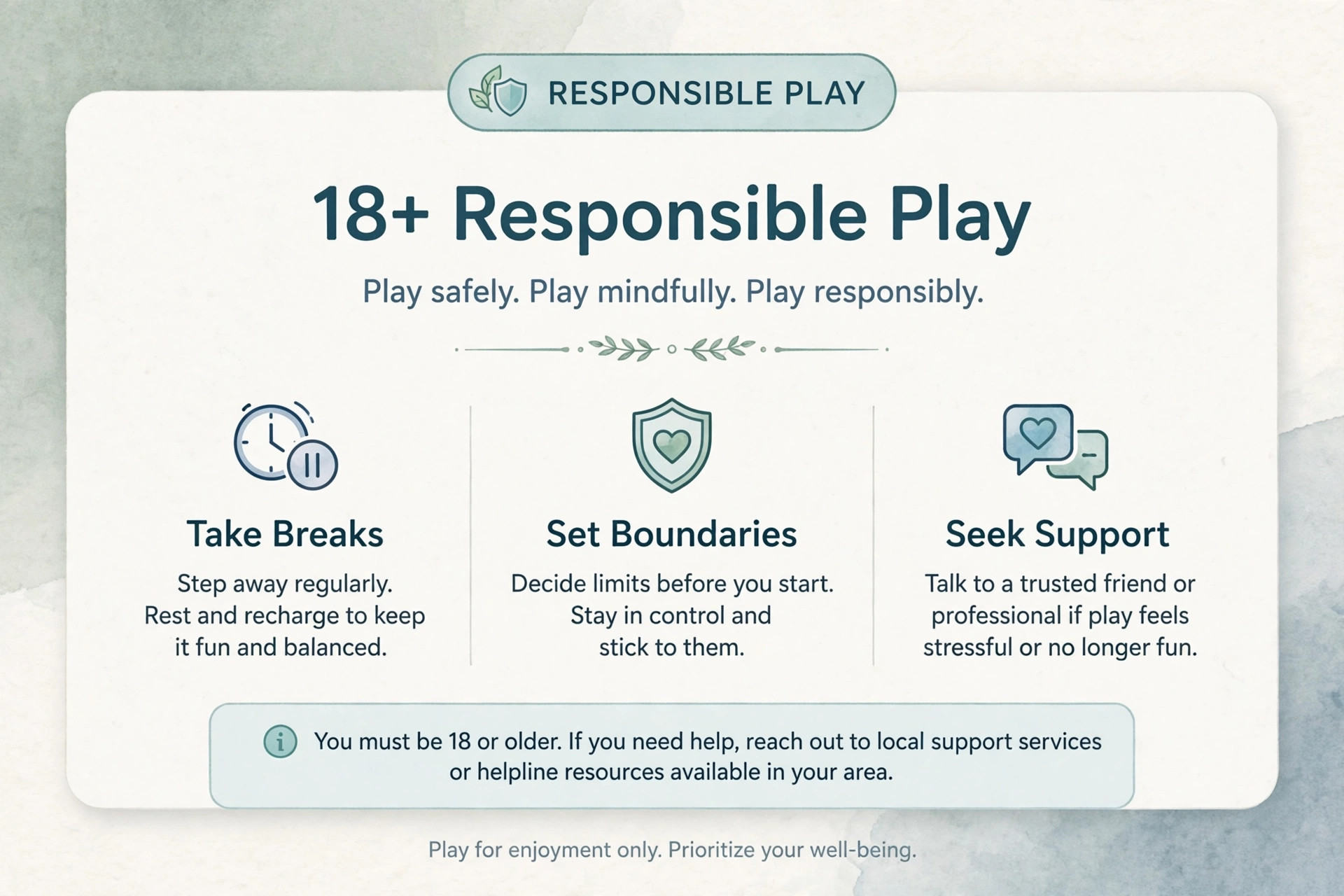
This article is informational only and contains no betting advice. Teer is a legal lottery in Meghalaya for adults aged 18 and above. Play responsibly.