
To understand why teer result is two digits, come to Shillong. The capital of Meghalaya, once called the Scotland of the East, is where the game grew from a Khasi archery tradition into an organized lottery, and the two digit format carries the fingerprints of that history. The archers shoot near the Polo Ground. The Khasi Hills Archery Sports Association guards the rules. The counting happens in the open, the way it has for decades. This is the Shillong story of the teer two digit result: how a city’s archery culture shaped a number format that the whole region now uses. By the final paragraph, the pair of digits on every board will feel less like a mystery and more like a signature of the city itself.
Why Teer Result Is Two Digits – A Shillong Answer
The Shillong answer to why teer result is two digits is refreshingly concrete. After each round at the Shillong ground, officials count the arrows embedded in the straw target, and the declared result is the last two digits of that count. A count of 1,089 (example only, not a real result) declares 89. A count of 764 (example only, not a real result) declares 64. The rule produces a number from 00 to 99 every time, and that is why the teer number format never shows one digit or three.
But the rule did not fall from the sky. It grew out of how Shillong plays teer: fifty archers, two rounds with different quotas, a public count, and a ticket culture built on numbers from 00 to 99. To see why the format fits so well, you need to see the ground, meet the association, and watch the counting. Shillong is not just where the game is played. It is where the format was forged.
The Ground Where the Number Is Born
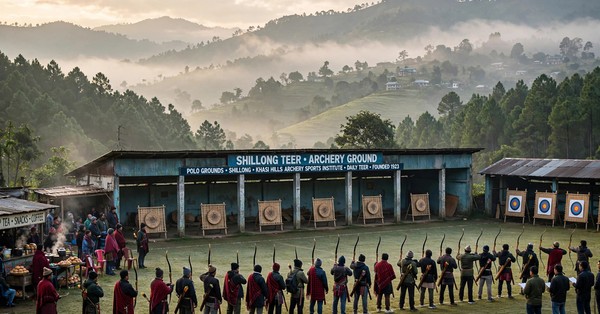
The Shillong teer ground sits in a semi-circular arena near the Polo Ground, the famous ground in the centre of the city. The setup is modest and has changed little over the years: a concrete base, a tin-roofed shelter where the archers gather, a marked shooting line, and the target mounted on a spike at the far end. Spectators press against the barriers, tea sellers work the crowd, and the whole place hums with the particular energy of people waiting for numbers.
This ground is the physical home of the teer 2 digit meaning. Every pair of digits declared in Shillong began as arrows in the air over this arena. The format is not an abstraction here. It is the visible end of a visible process, and regulars at the barrier can describe the counting ceremony from memory because they have watched it so many times.
The Arena and Its Rhythm
A Shillong playing day has a rhythm the whole city knows. The archers assemble, the first round shooting lasts a few minutes, and then the ground goes quiet for the count. After a break, the second round follows the same pattern. In Shillong, the first round is typically declared in the afternoon around 3:45 PM IST and the second round around 4:45 PM IST, and the declared pairs travel from the ground to boards and phones within minutes. Teer is played Monday to Saturday here, with Sundays off, and the weekly rhythm is as fixed as the format itself. Regulars plan their errands, their shop hours, and their counter visits around these two daily moments, because the declaration times are among the most reliable appointments in the city.
The Straw Target
The target is a cylinder of tightly woven straw or bamboo matting, and its size changes between rounds. Published descriptions put the first round target at roughly 43 inches by 32 inches and the second round target at roughly 28 by 30 inches. Only arrows still embedded in this cylinder when the round ends go into the count. Arrows that miss or fall are ignored. The target is the instrument the whole format is read from, and its humble straw construction is a reminder that the game grew from village archery, not from a casino.
The Khasi Roots Behind the Format
The two digit format makes the most sense when you know how deep the roots go. Archery is not a sport the Khasi people adopted for the lottery. It is a tradition that predates the lottery by generations, tied to hunting, community festivals, and rites of skill. The word teer means arrow, and for the Khasi, the arrow has always been more than equipment. Long before counters sold tickets, archers were already gathering to shoot at targets for honour and community pride.
When wagering grew around these contests, the counting method grew with it organically. Spectators were already watching arrows hit targets. Turning the hit count into a number, and trimming that number to its last two digits, was the natural way to settle bets in a crowd. Nobody designed it in a meeting. It emerged from the way people already watched archery, which is why it feels so inevitable once you see it. The format is not imposed on the tradition. It grew out of it.
This heritage is also why the format commands respect. Players are not just betting on a number. They are participating, however indirectly, in a living Khasi tradition that the lottery framework formalized but did not invent. The archers at the Polo Ground arena are heirs to generations of marksmen, and the two digits on the board are the modern, playable expression of a very old skill.
The Association That Guards the Format
The Khasi Hills Archery Sports Association is the body that oversees teer in Shillong, and it is the guardian of the format. The association works with affiliated archery clubs to assemble the daily lineup of 50 archers, appoints the officials who conduct the count, and upholds the procedures that keep the game trusted. When players ask how teer number is formed, the honest answer runs through this association’s rulebook.
The association’s role is one reason the two digit format has never drifted. Formats drift when nobody is watching. Here, a dedicated body watches every round, applies the same counting procedure every day, and declares results the same way every time. The stability players love in the format is not an accident. It is administration.
The Clubs Behind the Archers
The association works with 12 affiliated archery clubs in the Shillong area. The daily lineup of 50 archers is drawn from these clubs and the association’s own pool, and the archers must belong to an affiliated club to shoot. This club structure roots the game in community. The archers are not hired hands flown in for the day. They are local marksmen, many of whom learned archery as children, shooting for clubs with names and histories their neighbours know.
The Officials Who Count
The counting officials are appointed for the session, and their work is the most trusted part of the day. They tally the embedded arrows in the open, in pairs, calling out subtotals while witnesses watch. The ceremony is slow and deliberate, a contrast to the frantic shooting that precedes it. When the tally is agreed, the last two digits become the result. This public count is the association’s signature on every number, and it is why the teer result digits explained in Shillong carry such weight.
The Archers of Shillong
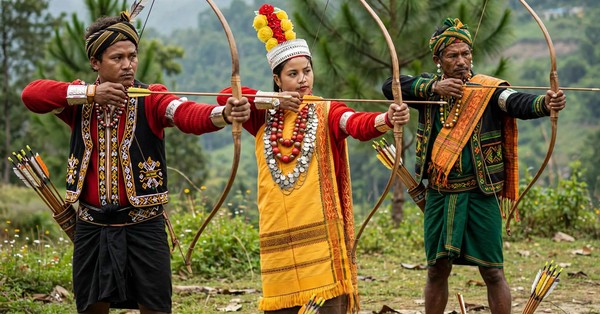
The archers are the soul of the game and the source of every number. Fifty of them take the ground for each round, shooting from a squatting position with simple wooden bows. They release their arrows in rapid volleys, and the shooting looks less like Olympic archery and more like weather: instinctive, rhythmic, and fast. Most have been shooting since childhood, because archery is woven into Khasi culture far beyond the lottery. The word teer itself means arrow in the Khasi language.
The two rounds give the archers different quotas, and the quotas shape the counts. In the first round, each archer shoots 30 arrows, up to 1,500 in about four minutes. In the second round, each shoots 20, up to 1,000 in about three minutes at the smaller target. The same skilled hands produce both counts, but the different quotas and targets make the two rounds genuinely separate contests with genuinely separate results.
A Day’s Work at the Ground
For the archers, a day at the ground is a day’s work. Reports over the years have put their daily earnings at roughly Rs 250 to 300, modest pay for remarkable skill. They shoot six days a week, rest on Sundays, and return to the same line, the same bows, and the same straw target. The numbers the city bets on are the byproduct of their labour, and the two digit format is the neat packaging of a working day.
The Counting Tradition
Shillong’s counting tradition is the heart of the Shillong story. Long before results travelled on phones, the count was the event: the moment the crowd fell silent and the officials did their slow work around the target. That tradition continues unchanged. The officials tally every embedded arrow, cross-check in pairs, and agree on the total before the trimming rule is applied. Only then do the last two digits go up on the board.
The tradition matters because it is the source of trust. Players who have watched the count do not need to be told the format is fair. They have seen the fairness being constructed, arrow by arrow. Myths about machines or chosen digits wither in Shillong, because anyone can walk to the ground and watch the truth. The teer last two digits are the tail of a public measurement, and the public has been watching the measurement for decades.
From Count to Board
The journey from count to board is short but meaningful. The agreed total is trimmed to its last two digits, both digits are written (leading zeros kept), and the pair is dispatched. Within minutes it is painted on boards, printed in lists, and shared on phones. The Shillong teer result page carries the first and second round pairs side by side, and the teer result list gathers the declared figures across days. Every pair on those pages began as arrows over the Polo Ground arena.
Why Two Digits Survived in Shillong
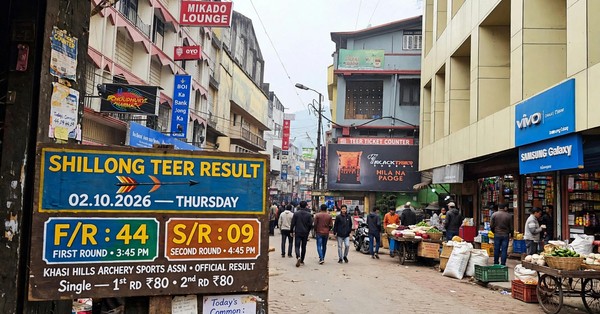
Shillong could have changed the format at any point. It never did, and the reasons are visible in the city’s ticket culture. Counters across Shillong sell tickets on numbers from 00 to 99, a grid that fits on a single sheet and needs no equipment. Two digits can be shouted across a market, written on a scrap of paper, and read at a glance from a board across the street. The format fits the city’s streets the way the archery fits its culture.
There is also the matter of the prize mathematics. One hundred outcomes make for clean, communicable odds and sustainable fixed payouts. A wider grid would have strained the counters; a narrower one would have made the game feel thin. The two digit format sits exactly where Shillong’s street game needed it, and formalization under Meghalaya’s lottery framework, including the Meghalaya Amusements and Betting Tax Act, kept the street format intact rather than replacing it.
A Format Tested by Decades
The strongest argument for the format is its age. It has survived the move from paper slips to phone screens, from word of mouth to instant online updates, and from village grounds to a modern arena. Technologies change. The number of digits has not, because it was right from the start. When a format works for decades without revision, that is not inertia. That is design confirmed by time.
Why Teer Result Is Two Digits – Shillong FAQs
Why does Shillong teer always declare two digits?
Because the declared result is the last two digits of the counted arrow hits. The last two digits of any count always form a number from 00 to 99, so the teer two digit result is automatic. The rule is applied by officials after the public count at the Shillong ground.
Where in Shillong is teer played?
The main Shillong session is held in a semi-circular arena near the Polo Ground, overseen by the Khasi Hills Archery Sports Association. The association works with 12 affiliated archery clubs to field the 50 archers for each round.
How many arrows are shot in a Shillong round?
Fifty archers shoot in each round: 30 arrows each in the first round (up to 1,500) and 20 each in the second (up to 1,000). Only arrows embedded in the straw target are counted, so the tally is always smaller than the number shot.
What does 00 mean on a Shillong board?
It is a valid result, declared whenever the count ends in 00, and tickets marked 00 win like any other number. A blank space means the result is still awaited or no round was held. Teer is not played on Sundays in Shillong.
Do other markets use Shillong’s format?
Yes. Juwai, Khanapara, and the morning and night sessions all use the identical count-and-trim procedure and the same 00 to 99 grid. The format was forged in Shillong and adopted everywhere. Compare markets on the Juwai teer result page and the Shillong Teer Result homepage.
Is teer legal in Meghalaya?
Yes. Teer is a legal lottery in Meghalaya, operating under the state’s lottery framework including the Meghalaya Amusements and Betting Tax Act, with local oversight from the Khasi Hills Archery Sports Association in Shillong. It is for adults aged 18 and above and should always be played responsibly through licensed counters. Background reading is available on Wikipedia’s Teer page.
How teer number formed at the Shillong ground?
Exactly as the tradition describes. Fifty archers shoot their quota near the Polo Ground, officials count the embedded arrows in the open under the association’s oversight, and the last two digits of the agreed total are declared. That is how teer number formed in Shillong every playing day: Khasi archery, public counting, and the trim.
The City Behind the Digits
Every pair of digits on a teer board is a small piece of Shillong. Behind it stand fifty archers near the Polo Ground, a straw target, officials counting in the open, and an association guarding a tradition. The reason teer result is two digits is the last-two-digits rule, but the reason the rule feels so natural is Shillong itself: a city where archery is culture, counting is public, and a number from 00 to 99 is all the game has ever needed.
If you ever visit, go to the ground and watch a count. You will see the officials move around the straw cylinder, hear the subtotals called out, and feel the crowd lean in as the total settles. Then watch the last two digits go up on the board, and notice how the whole arena accepts them without question. That acceptance was earned over decades, one public count at a time. The next time you read a result, picture the ground, and you will be reading it the Shillong way.
*Teer is a legal lottery in Meghalaya, open to adults aged 18 and above. Play responsibly and only through licensed counters.*