Every serious teer follower eventually asks the same question: what were the results on a particular date last month, or last year? The daily result page cannot answer that, because it moves on every day. That is exactly what a teer result chart 2026 and its archives are for. They keep the declared history of the game in an organized, searchable form. On Shillong Teer Result you will find today’s numbers on the result pages, and the long-term record in the charts and archives. This guide explains why teer result records matter, how archives are organized by year and month, how far back the records go, and the best practices for looking up old results without errors.
Why Teer Result Chart 2026 Records Matter
A teer result chart 2026 is more than a convenience. It is the public memory of the game. Daily declarations come and go, but the chart preserves every FR and SR number in its proper place. That preservation serves several real purposes.
First, records let anyone verify a claim. If someone tells you a particular number came up on a certain date, the archive settles the question in seconds. Without records, every statement about past results would be unverifiable, and confusion would spread quickly.
Second, records bring transparency to the game. Teer is a legal lottery in Meghalaya, and public declarations only mean something if the history of declarations is visible. A well-kept chart shows the full sequence of results, including holidays and non-playing days, so nothing looks hidden.
Third, archives protect you from your own faulty memory. Players often misremember dates and numbers. A remembered result from “last month” might actually be from two months ago, or from a different market’s session. The archive replaces guesswork with a dated, labeled record.
Fourth, organized records make research possible. Writers, analysts and curious readers use old charts to study how the game works over time, how sessions are scheduled across the year, and how declaration patterns behave around festivals and holidays. None of that is possible without a reliable archive.
How Teer Result Archives Are Organized
Understanding the organization of a teer result chart 2026 archive makes old-result lookup fast and accurate. Archives follow a standard hierarchy that almost every teer site uses.
Year Level
The top level of the archive is the year. A teer result chart 2026 contains only 2026 records. Results from 2025 or 2024 live in their own year sections. This separation matters because teer numbers repeat over time. The same two-digit combination can be declared in different years, so mixing years creates false matches. When you look up an old result, the very first thing to confirm is the year section you are browsing.
Year archives are usually linked from the main chart page as a simple list or a row of tabs. The current year is the default view. Older years sit one click away, clearly labeled.
Month Level
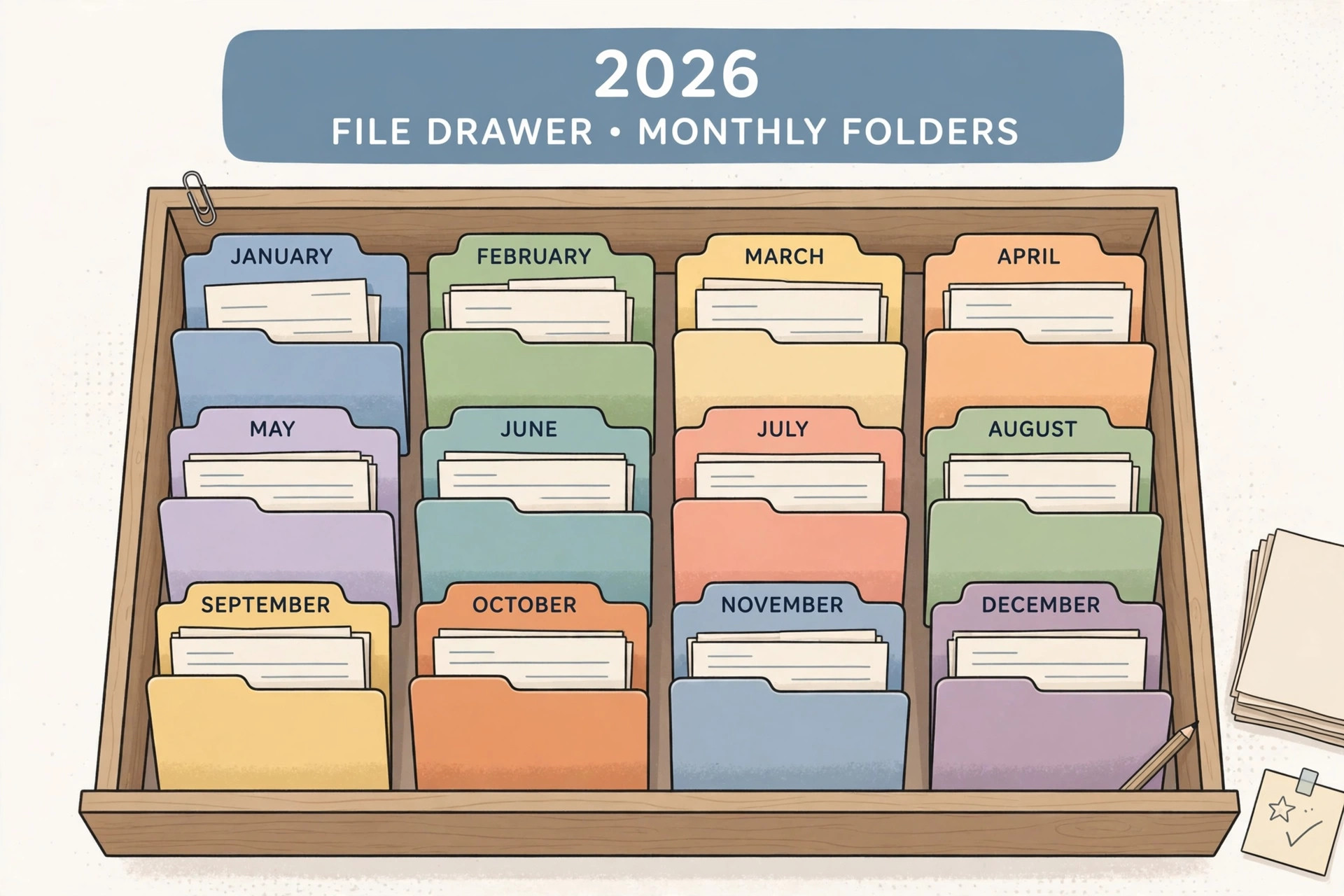
Inside each year, results are grouped by month. A teer result chart 2026 is really twelve monthly charts: January through December. Each monthly block shows every playing date of that month with its FR and SR entries.
Monthly grouping is practical. A full-year grid would be huge and slow to load. Twelve monthly blocks keep each page manageable and let you jump straight to the month you need. If you want a result from March 2026, you open the March block. There is no reason to scroll through January and February.
Month labels follow the calendar year. January 2026 means the first month of 2026. Some archives use numeric labels like 03-2026, others use words like March 2026. Both are fine as long as the year is printed with the month.
Date Rows
Inside each monthly block, results are listed by date, one row per day. Dates run in calendar order, usually from the 1st to the last day of the month. Each row shows the date, the market, the session, and the FR and SR entries for that date.
Non-playing days appear in the sequence too. Sundays and public holidays carry no shooting, so their rows are marked closed or holiday rather than left mysteriously blank. This is an important feature of a good archive. It tells you that no result was declared, instead of leaving you wondering whether the chart simply missed an update.
Market and Session Separation
A teer result chart 2026 archive never mixes markets in one column. Shillong results stay in Shillong columns. Juwai, Khanapara and Jowai Ladrymbai results each have their own columns or their own chart pages. The same rule applies to sessions. Morning, day, evening and night sessions are labeled separately, each with its own FR and SR pair.
This separation is what makes archives trustworthy. When you read an archive row, you know exactly which market and which session the numbers belong to. There is no guessing.
How Far Back Teer Result Records Go
New readers often ask how deep the archives run. The answer depends on the site, but established teer result sites keep several years of records. A teer result chart 2026 on a mature site sits alongside charts for 2025, 2024, 2023 and earlier, each year organized in the same monthly structure.
There are practical limits. Very old records, going back a decade or more, may be incomplete. Early teer websites did not always keep clean archives, and some months from the distant past may have gaps. For recent years, coverage is usually complete, with every playing date accounted for.
When you browse an archive, do not assume uniform depth. Check the year list on the chart page. If the site shows years back to 2020, those are the years you can research reliably. Anything older may exist on other sites, but treat it with caution and cross-check before trusting it.
For the current year, the teer result list page on this site gives you the recent sequence in newest-first order, which is handy when you only need to go back a few days. For deeper history, the monthly chart blocks are the right tool.
Teer Result Chart 2026 Lookup Best Practices
Finding an old result sounds simple, but small mistakes produce wrong answers. Follow these practices and your lookups will be accurate every time.
Start With the Exact Date
The single most common lookup error is an approximate date. “Sometime last month” is not enough. Before you open the archive, write down the exact date you need: day, month and year. If you only remember the month, browse the whole monthly block and look for what you need, but do not guess which row is yours.
Confirm the Year First
Open the archive and check the year label before reading any number. A teer result chart 2026 and a 2025 chart look nearly identical. The year is the only difference. If you skip this step, you can easily read last year’s entry as this year’s, especially when you arrive at the chart from a search engine that landed you on an old page.
Match the Market Exactly
Decide which market’s result you need before you read. Shillong, Juwai, Khanapara and Jowai Ladrymbai are separate games with separate archives. Reading the Shillong column when you needed Khanapara gives you a real number attached to the wrong market, which is worse than no answer at all. Use the market pages on this site to stay in the right place: Shillong Teer Result for Shillong archives and Khanapara Teer Result for Khanapara archives.
Match the Session
Each market may run morning, day, evening and night sessions, and each session has its own FR and SR. An archive row for a date can carry several session pairs. Read the session label before you read the numbers. A morning FR and an evening SR from the same date are not a pair.
Read Both Rounds
Always read the FR and SR together as the record for that session. Reading only one round gives you half a record. If one round is marked pending or blank, note that status instead of inventing a number. Archives sometimes take time to fill in the second round after the first is declared.
Note Holidays and Closed Days
If the row for your date says holiday or closed, that is the answer. No result was declared. Do not keep searching other columns hoping to find a number. A closed day is a complete and correct record.

Reading a Monthly Teer Result Chart Block
Let us walk through a monthly block the way an experienced reader does. Imagine the March block of a teer result chart 2026. The top of the block says March 2026. Below it, rows run from the 1st to the 31st in order.
Each row shows the date, the session label, the FR entry and the SR entry. Where this guide shows sample layouts, any digits displayed are example only and are not real results. The important thing is the pattern: date, session, FR, SR, and sometimes a status note.
Scan down the date column until you find your date. Then move across the row, checking the session label first. Confirm the market from the column header. Read FR, then SR. Check whether the row carries any status note, such as holiday or pending. That is the complete record for that date and session.
If the block covers multiple markets side by side, keep your eyes inside your market’s columns. It helps to cover the other columns with your hand or a piece of paper, especially on small phone screens where columns sit close together.
What Archives Can and Cannot Tell You
Archives are records of what was declared. They are excellent at answering factual questions: what was the FR on this date, was there a session on that holiday, which markets played in this month. They answer these questions reliably because they are built from official declarations.
Archives cannot tell you anything about future results. A teer result chart 2026 shows history, not predictions. Patterns that look meaningful in hindsight are a normal feature of random sequences over hundreds of draws. Serious readers treat the archive as a record book, not a forecast tool. This site publishes archives for information only and does not publish prediction content of any kind.
Archives also cannot fix an error in the original declaration. If a market declared a number and later corrected it, the archive should show the corrected number with a note. Good archives do this. If you spot a chart entry that contradicts the market’s own announcement, trust the market’s announcement and report the mismatch to the site.
Keeping Your Own Teer Result Records
Some readers keep personal records alongside the public archives. A personal log is useful if you follow the game closely and want your own dated notes. Here is how to do it well.
Use one line per session. Each line should carry the date, the market, the session, the FR and the SR. Write the year on every line. A line that reads “Shillong, day session, FR, SR” without a date is a note you will not be able to place later.
Store notes in date order. A notebook or a simple spreadsheet works. Date order makes it easy to compare your notes with the public chart.
Cross-check monthly. Once a month, compare your personal log against the teer result chart 2026 archive for that month. This catches copying mistakes while they are still fresh.
Keep the source. Note where each entry came from, such as the daily result page or the chart itself. If a question comes up later, you will know which record to recheck.
Teer Result Chart 2026 – Frequently Asked Questions
Why do teer sites keep result archives?
Archives preserve every declared FR and SR result in an organized, searchable form. They let readers verify claims about past results, bring transparency to the game, and provide the history that daily result pages cannot show once they move on.
How are teer result archives organized?
Archives are organized by year, then by month, then by date. A teer result chart 2026 holds twelve monthly blocks. Inside each block, rows run in date order, separated by market and session, with FR and SR entries for each session.
How far back do teer result records go?
Established sites keep several years of records, each year in the same monthly structure. Recent years are usually complete. Very old records may have gaps, so check the year list on the chart page to see which years are reliably covered.
What is the difference between a chart and a result list?
A chart arranges results in a monthly grid with dates as rows, which is best for looking up a specific past date. A result list shows results in a simple newest-first sequence, which is best for checking the latest results. Both draw from the same archive of declared records.
How do I find a result from a specific date?
Write down the exact date, confirm the year section, open the right monthly block, match the market and session, and read the FR and SR pair for that row. If the row says holiday or closed, no result was declared that day.
Why does the same number appear on different dates?
Teer numbers repeat naturally over hundreds of draws. Seeing the same two-digit number on different dates, or even in different years, is normal and does not mean the archive has an error.
Can archives predict future results?
No. A teer result chart 2026 records what was declared in the past. It contains no information about future draws. Patterns visible in hindsight are a normal feature of long random sequences. Treat archives as records, not forecasts.
What should I do if an archive entry looks wrong?
Compare it with the market’s own declaration for that date. The market’s announcement is the primary record. If the archive contradicts it, trust the announcement. You can also check another established site’s archive for the same date as a second opinion.
Conclusion
Teer result records exist so that no declaration is lost to time. A teer result chart 2026 organizes the year’s results by month, date, market and session, and the archives keep earlier years in the same structure. Lookup is simple when you confirm the year, match the market and session, and read both rounds as a pair. Use the archives as what they are: a transparent, verifiable record of the game. Keep your own notes in the same disciplined format, and you will never confuse a date, a market or a session again.
Teer is a legal lottery in Meghalaya, for adults 18 years and older only. Play responsibly and use result records as information, not as betting advice.
For background on the game, see the Shillong article on Wikipedia and the official Government of Meghalaya portal.