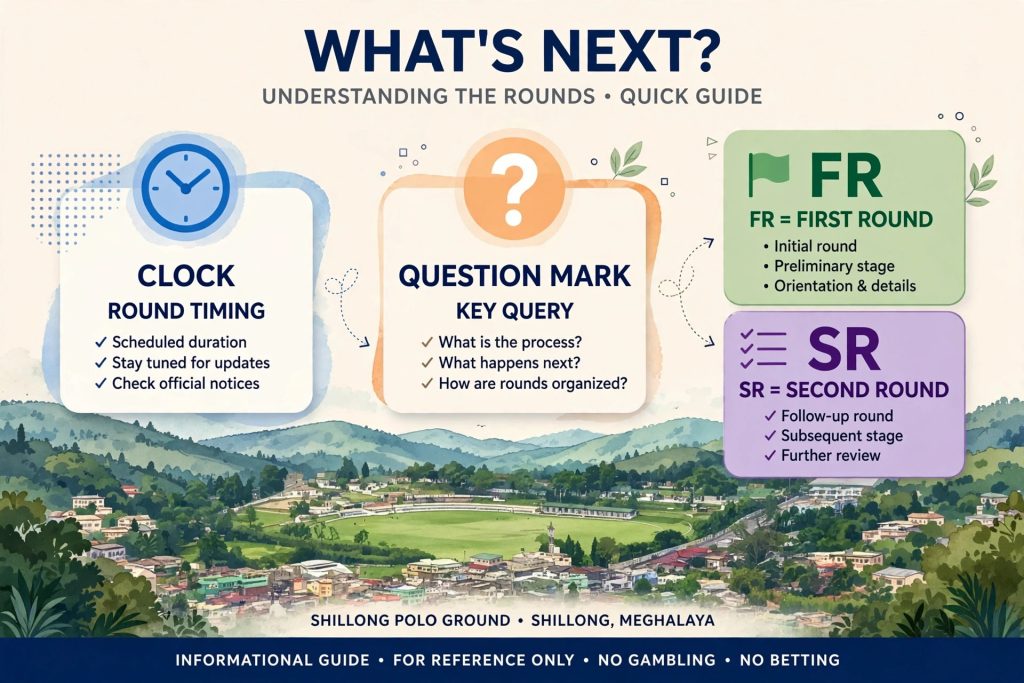
A teer result delayed past its expected time is one of the most common worries for Shillong teer players. You checked at the usual hour, the FR number should have been out, and the screen still shows yesterday’s result or a blank space. Your first thought is that something went wrong, that the session was cancelled, or that the result you are waiting for will never appear. In almost every case, none of those fears are true. A delayed result simply means the declaration has not finished its normal chain of steps yet, and it will usually appear within a short buffer window once the archery rounds, counting, and official confirmation are complete.
Shillong is the home of teer. The main sessions are organized at the Polo Ground by the Khasi Hills Archery Sports Association, and the rhythm of the day there decides when every number goes live. Because the result depends on real archers shooting real arrows in an open field, small shifts in timing are normal and expected. Weather over the Shillong hills, the pace of the archery rounds, a recount of arrows, or a slow data update on a result portal can each push the declaration back by minutes or sometimes longer. This guide explains the full picture for Shillong players: what the normal schedule looks like, why a teer result delayed happens, how to tell the difference between a pending result and a day with no teer at all, and exactly what to do while you wait.
Teer Result Delayed – What the Normal Shillong Teer Schedule Looks Like
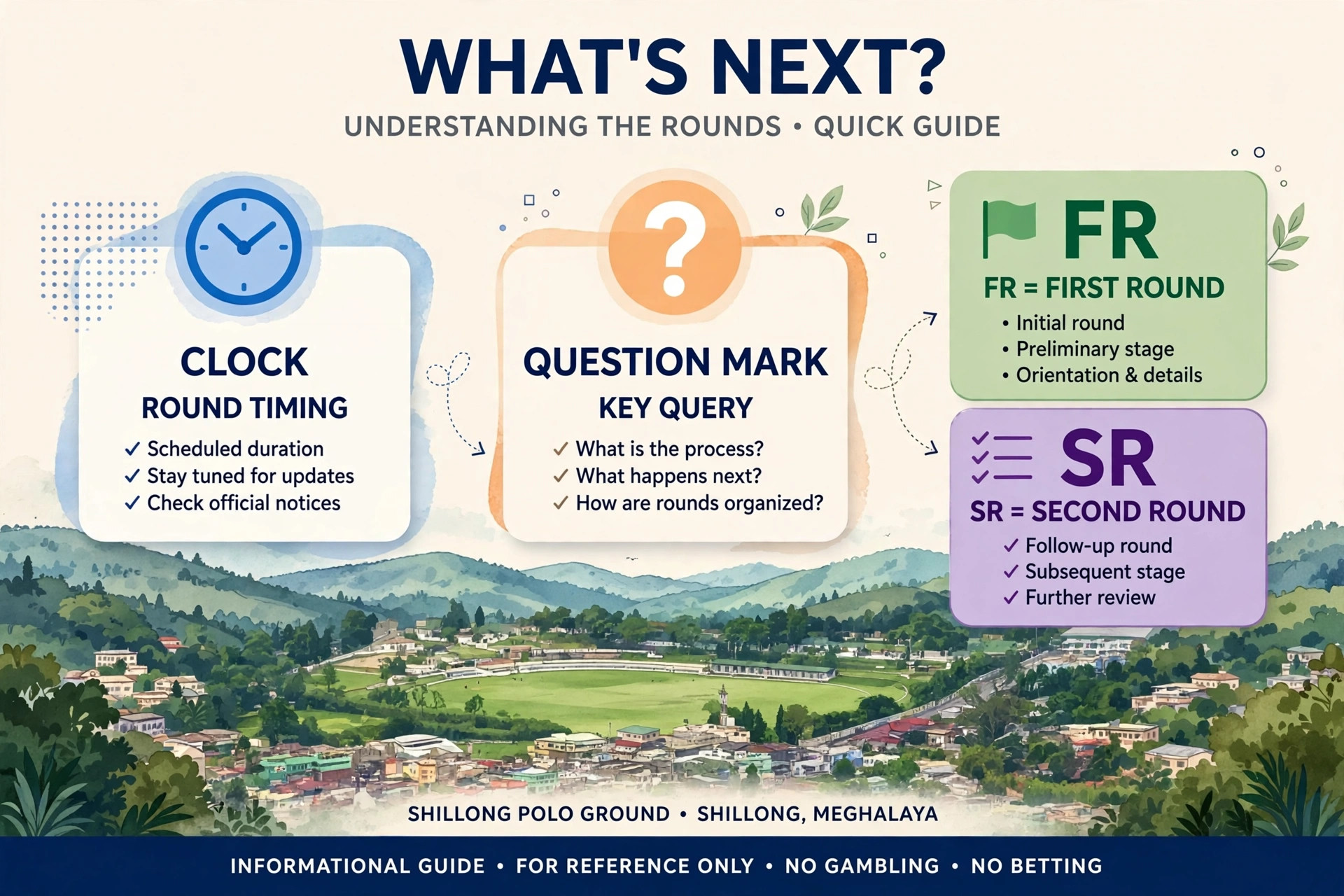
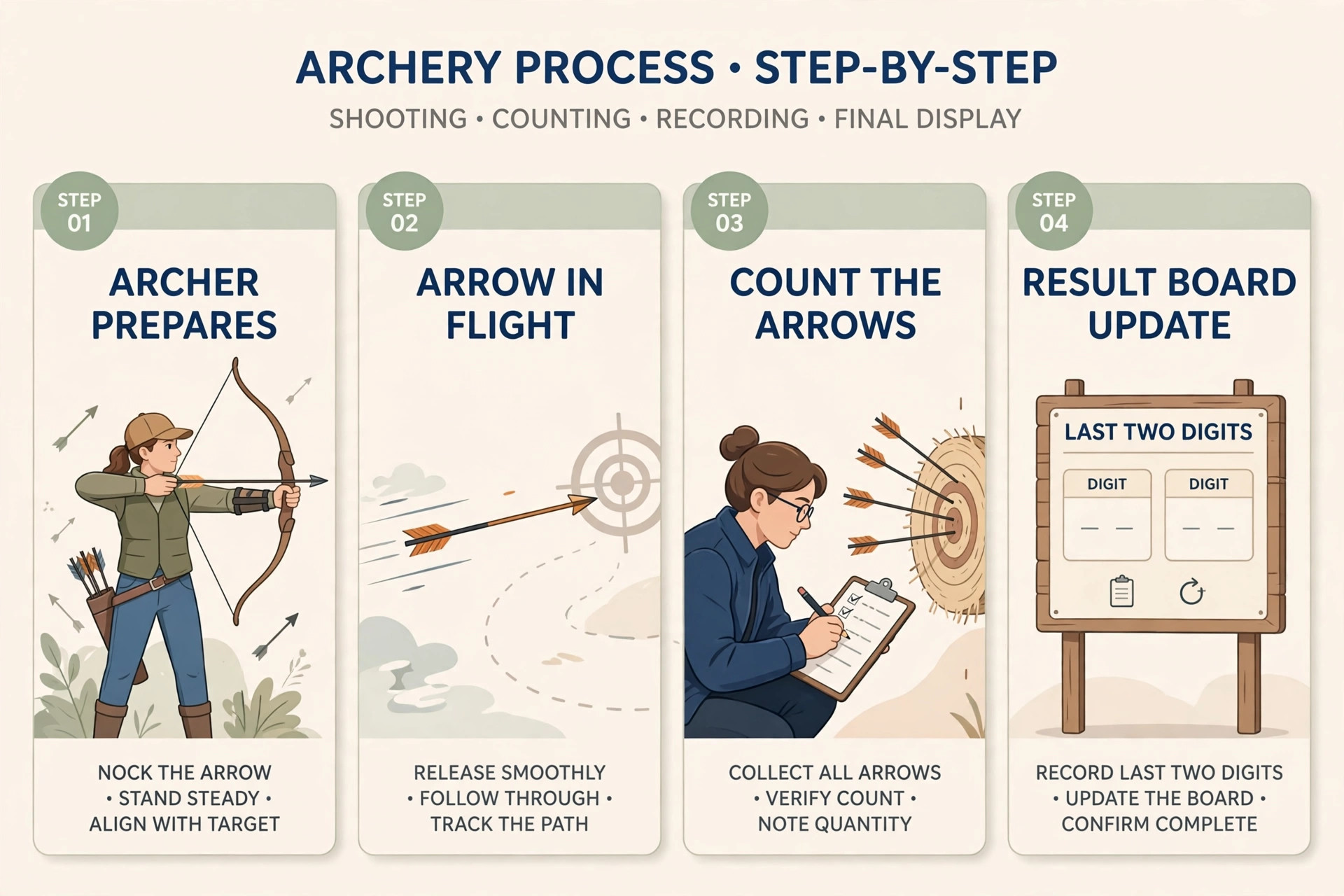
Before you can judge whether a result is truly late, you need to know what on time looks like. Shillong runs several teer sessions, and each one follows the same basic structure: two archery rounds, called FR (first round) and SR (second round), with a counting and verification step after each round. The result of a round is the last two digits of the total number of arrows that hit the target. Nothing is declared until the counting for that round is finished and confirmed.
Shillong Day Teer Sessions and the FR and SR Rounds
The classic Shillong day teer is the session most players mean when they talk about the Shillong result. Archers take their positions at the Polo Ground in the afternoon, and the first round usually begins in the early afternoon. The FR result is typically declared mid afternoon, and the SR result follows roughly an hour later, once the second round of shooting and counting is done. These are typical windows, not fixed promises, and the exact minute moves from day to day depending on how the shooting goes.
The morning teer session is a separate event with its own FR and SR rounds earlier in the day. Morning results follow the same two round structure, just on an earlier clock. If you play the morning session, do not compare its declaration time with the afternoon session. Each session has its own rhythm, and a morning result that arrives later than the previous day’s morning result is not unusual.
Shillong Night Teer Timing
Night teer is the evening session, and it has the latest declaration window of the day. The rounds are conducted after sunset under floodlights, and the FR result usually appears in the late evening with the SR result following after the second round is counted. Night sessions can be more sensitive to delays than day sessions because any slippage in the evening schedule compounds quickly. If the first round starts late, everything downstream, including the second round and the final SR declaration, shifts with it.
How a Result Moves From the Ground to Your Screen
Understanding the chain helps you stay calm during a teer result delayed episode. The sequence is: archers shoot, officials count the arrows that hit the target, the count is verified, the last two digits become the round result, the organizing body confirms it, and then result portals and counters update their displays. A holdup at any single step pauses everything after it. Often the ground has finished but the portal you are checking has not refreshed yet, which is why one website may show the result while another still shows it as pending.

Why a Shillong Teer Result Gets Delayed
Delays are rarely mysterious once you know the moving parts. Almost every late declaration traces back to one of a handful of ordinary causes connected to the Polo Ground setup, Shillong’s weather, or the data pipeline between the ground and the internet.
Weather Over the Polo Ground
Shillong’s weather is the single most Shillong-specific cause of a shillong teer result delay. The city sits in the hills and is famous for sudden rain, mist, and strong afternoon showers, especially during the monsoon months. Archery cannot proceed safely or fairly in heavy rain, so a session may pause until the weather clears. Even a short pause pushes the shooting, counting, and declaration back. Wind gusts can also slow a round, since archers need stable conditions to shoot accurately. If the sky over Shillong looks unsettled on a teer day, expect the possibility of a late result and check back after a reasonable buffer.
The Archery Rounds Themselves Take Longer Than Expected
Teer is a live sport, not a computer draw. The number of archers, the number of arrows shot per archer, and the pace of each round vary. Some days the shooting flows quickly; other days it stretches out. After the shooting, every arrow that hit the target must be counted and the count must be agreed on by the officials. If there is any doubt about the count, a recount happens, and a recount adds real time. This is actually a sign of a well run session, since a verified count protects every ticket holder, but it does mean the result appears later than the clock on the wall might suggest.
Counting Disputes and Verification Holds
Closely related to recounts are verification holds. The organizing association confirms each round’s result before it is released to counters and portals. If officials need extra time to verify a close or disputed count, the declaration waits. During these holds, you may see the result marked as pending on every portal at once. That uniform pending status is a good sign: it means the hold is at the source, the process is working as designed, and the result will be released once verification is complete.
Technical and Network Delays on Result Portals
Sometimes the result has been declared at the ground but your screen does not show it. Result websites depend on their own update pipelines, and a portal can lag because of server load, a failed refresh, caching on your phone or browser, or a slow mobile network. High traffic days, when many players check at once, are classic moments for portal lag. If one source shows the result and another does not, the result exists and the lagging source simply has not updated yet. Clearing your browser cache or checking a different device can resolve this kind of apparent delay in seconds.
Shillong’s Festival Calendar and Local Holidays
Shillong observes a rich calendar of festivals and public holidays, and teer does not run on every day of the year. Major local festivals, state holidays, and Sundays are days when sessions may be paused entirely. On these days there is no teer result late situation at all, because there is no result to declare. The confusion happens when a player does not realize a holiday is in effect and keeps refreshing for a number that will never come. Checking the session calendar, which reputable result sites maintain, takes seconds and prevents a whole evening of unnecessary worry. Teer is organized under the framework of the state of Meghalaya, and official state holiday information can be cross checked through the Meghalaya government portal when you are unsure whether a particular day is a working teer day.
Delays in the Data Chain Between Counters and the Internet
The last mile of a result’s journey runs through licensed ticket counters and the people who feed numbers to websites. Counters receive the declared result and display it locally, and portal operators collect it from official or counter sources. A busy counter, a phone network issue, or a simple human delay in this chain can add minutes. This is why experienced players check more than one source before concluding that a result is genuinely delayed at the source level.
Teer Result Delayed – What Shillong Players Should Do Right Now
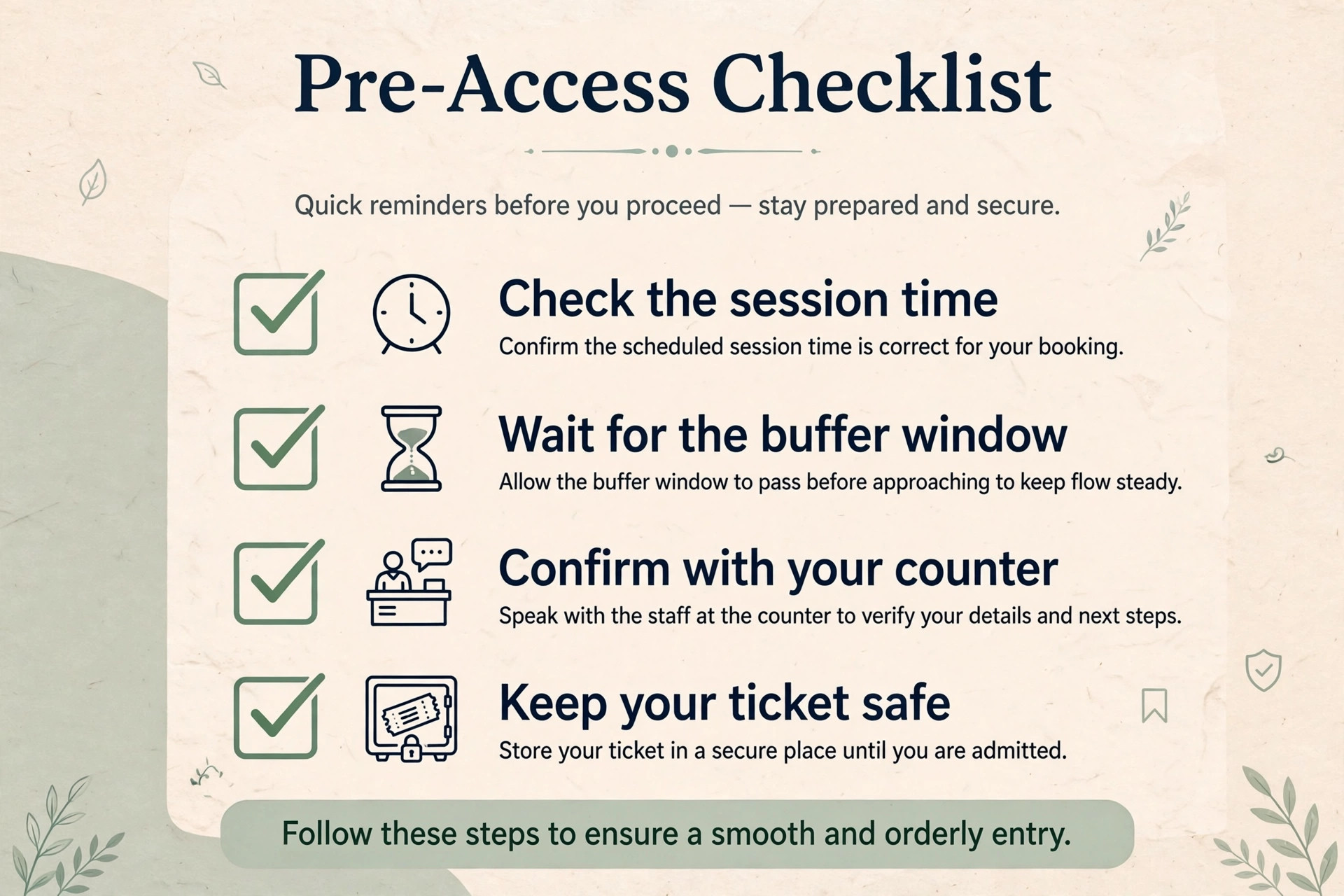
When the clock passes the usual declaration time and the number is still missing, follow a calm, ordered routine instead of refreshing endlessly or trusting rumors. These steps are written for Shillong players, but the logic works for any teer session.
Step 1 – Confirm Which Session and Round You Are Waiting For
Start by naming exactly what is late. Is it the morning FR, the day FR, the day SR, or a night round? Each has a different usual window, and players often worry about a day SR result while looking at a page that only updates the morning session, or vice versa. Make sure the source you are checking actually covers the session you played. A result that looks missing is sometimes just displayed under a different session tab.
Step 2 – Allow a Sensible Buffer Window Before Worrying
Give the declaration a buffer of at least thirty to sixty minutes past the usual time before treating the situation as unusual. Most genuine delays resolve inside this window as the counting finishes or the portal refreshes. During the buffer, check two or three reputable sources rather than hammering one page. The Shillong teer result page shows each session’s card with its declaration status, so you can see at a glance whether a round is still pending. If all of them show the result as pending, the hold is at the source and waiting is the correct action. If some show it and yours does not, switch to a source that has updated.
Step 3 – Check With Your Local Licensed Counter
Your ticket counter is the closest link in the chain to the ground. Counters receive the declared result directly and display it on their boards, often before some websites update. A quick check with the counter where you bought your ticket, in person or by phone, can confirm whether the result has been declared locally. This is also the most reliable way to settle a winning ticket when portals are lagging: the counter’s board is authoritative for payout purposes.
Step 4 – Protect Your Ticket and Your Record of Play
While you wait, keep your ticket safe and take a clear photo of it showing the date, session, and numbers you played. Do this as a habit for every ticket, not just during delays. If the result is declared and you hold a winning ticket, you will claim your winnings at the counter where you played, within the claim window that applies. A delayed declaration never shortens your right to claim; the claim process only starts once the result is officially out. Never hand your ticket to anyone except the licensed counter when claiming, and never pay anyone a fee to “release” a delayed result, because no such fee exists in the official process.
Teer Result Not Declared vs Teer Result Pending – Knowing the Difference
Players use several phrases for the same anxious moment, and sorting them out makes the wait much easier. A teer result pending and a teer result not declared sound similar, but they describe different situations with different remedies.
What Teer Result Pending Means
Pending means the session happened (or is happening) and the declaration is still working its way through the chain. The archery may be complete and counting underway, or the result may be declared at the ground but not yet reflected online. Pending is a temporary status. The correct response is the buffer and multi-source routine described above. The vast majority of delay episodes are pending episodes, and they resolve on their own.
What Teer Result Not Declared Means
Not declared is the status you see when no declaration exists yet for that round, which includes the normal pre-declaration period. Every result is “not declared” until its round is counted and confirmed. Seeing this label at the usual time plus a few minutes is not a warning sign; it is just the system telling you the truth. It becomes meaningful only if the status persists far beyond the normal window with no update from any source, in which case the session itself may have been interrupted.
Days With No Teer at All
Sundays are the classic example: teer traditionally does not run on Sundays, so there is no result to be late. Festival days and declared public holidays work the same way. On these days the correct status is not pending or delayed but simply no session. Reputable result sites publish holiday and Sunday notices, and checking the notice board once saves you from misreading a quiet day as a teer result delayed problem. If you are ever unsure, your licensed counter can confirm in seconds whether a session is running that day.
Shillong Teer Result Delay Compared With Juwai and Khanapara
Shillong players sometimes also follow the neighboring markets, so a brief comparison helps. Each market runs its own sessions with its own archers, grounds, and declaration chain, which means a delay in one market says nothing about the others.
Juwai Teer Result Late – A Brief Note
Juwai runs its own morning and day sessions with FR and SR rounds, on a schedule close to but independent of Shillong’s. A juwai teer result late episode follows the same logic as Shillong’s: shooting pace, counting, verification, and portal updates. Because Juwai’s ground and organizing team are separate, Shillong being on time does not guarantee Juwai is on time, and the reverse is equally true. If you play both markets, track each session’s status separately instead of assuming one market’s delay applies to the other.
Khanapara Teer – A Brief Note
Khanapara, the Assam-side market near the Meghalaya border, also runs daily sessions with the familiar FR and SR structure. Its declaration windows sit in the afternoon and evening, and it is subject to the same families of delay: weather, round pace, verification, and portal lag. As with Juwai, treat Khanapara’s timing as its own independent chain. Comparing a late Khanapara result against Shillong’s on-time result is comparing two different events, and it will only confuse you.
The practical takeaway is simple: always match the result you are waiting for to the market and session you actually played. Market mixups are one of the most common reasons players think a result is delayed when it is simply listed under a different market’s page.
How to Read a Shillong Teer Result Card Correctly
Once the result does appear, reading it correctly matters as much as the wait. A surprising number of disputes come from misreading the card, not from errors in the declaration.
FR and SR Labels
Every session card shows two numbers: FR for the first round and SR for the second round. Your ticket is tied to a specific round, so check the number under the correct label. An FR ticket is settled only by the FR result, and an SR ticket only by the SR result. During a delay episode, it is common for the FR result to appear while SR is still pending; that is normal, since the second round finishes later by design.
Date and Session Labels
Always confirm the date and the session name on the card before celebrating or discarding a ticket. Result pages show current and previous days side by side, and it is easy to read yesterday’s number as today’s during a delayed update. The card should show today’s date and the session you played (morning, day, or night). If the date does not match, you are looking at an old card, not a delayed result.
Number Format and an Example
A teer result is always a two digit number from 00 to 99, representing the last two digits of the arrows that hit the target. As an illustration of the format only, a card might display something like 42 for a round. This is an example only, not a real result, and it is shown here purely so you recognize the two digit format when you see the real declared number. Real results are declared only through the official chain described above, and any site or person offering you the “confirmed” number before declaration is not legitimate.
Spotting Fake or Stale Result Pages
During delays, fake and stale pages multiply. Be suspicious of any page that shows today’s result implausibly early, shows a result with no session or date label, or asks you to pay or sign up to “unlock” the number. Stick to established result portals and your licensed counter. A genuine result appears consistently across multiple reputable sources within a short span; a number that appears on only one obscure page during a delay window should not be trusted. If you are new to reading result cards, the how to check teer result guide explains what each field means, and the what is Shillong teer explainer covers how the game itself works. If you need to compare with a settled day, the teer result list archive shows how completed days look when every round is properly declared.
Frequently Asked Questions About a Teer Result Delayed
Why is the teer result delayed today?
The most common reasons are weather interruptions at the archery ground, a round that took longer than usual, a recount or verification hold by the officials, or a lag in the result portal’s update pipeline. In Shillong specifically, sudden rain over the Polo Ground is a frequent cause during the monsoon season. Most delays resolve within thirty to sixty minutes once counting and verification finish.
What time is the Shillong teer result usually declared?
Each Shillong session has its own window. The day session’s FR result typically appears mid afternoon with SR following about an hour later, the morning session declares earlier in the day, and the night session declares in the late evening. These are typical windows rather than fixed times, and the exact minute shifts daily with the pace of the archery rounds.
What does teer result pending mean?
Pending means the declaration process is still underway or the result has been declared at the ground but has not yet appeared on the source you are checking. It is a temporary status, not a cancellation. Check two or three reputable sources, allow a buffer of thirty to sixty minutes, and confirm with your licensed counter if portals remain out of sync.
Is there teer on Sundays and festival days?
Traditionally there is no teer on Sundays, and sessions are also paused on major local festivals and declared public holidays in Shillong. On these days there is no result to be delayed; the correct status is simply no session. Check the holiday notices on reputable result sites or ask your licensed counter before assuming a delay.
Can the SR result be delayed while the FR result is already out?
Yes, and this is completely normal. The second round is shot and counted after the first round, so the SR declaration naturally follows the FR declaration. A gap between the two is built into the structure of the game. Only if the SR result stays missing far beyond its own usual window should you treat it as a delay worth investigating.
What should I do if I think my ticket won but the result was late?
A late declaration does not affect your claim. Keep your ticket safe, photograph it clearly, and confirm the winning number against the official result once declared, checking the correct date, session, and round labels. Then claim your winnings at the licensed counter where you bought the ticket, within the applicable claim window. Never pay anyone a fee to release a delayed result.

Conclusion
A teer result delayed is, in the overwhelming majority of cases, a routine pause in a live sporting process rather than a problem. Shillong’s teer runs on real archery at the Polo Ground, and real archery is subject to weather, pace, counting, and verification, all of which can shift a declaration by minutes or more. The Shillong player who knows the session structure, allows a sensible buffer, checks multiple reputable sources, and confirms with a licensed counter will ride out every delay without stress. Keep your tickets safe, never trust a number that appears before the official declaration, and remember that patience during the pending window is simply part of playing teer in Shillong.
Teer is a legal, state-regulated lottery in Meghalaya and is meant for adults aged 18 and above only. Play responsibly, set limits you can afford, and treat teer as entertainment rather than income. If you want to understand the sporting roots of the game, the long history of archery as a sport is worth a read, and official information about the state that regulates teer is available on the Meghalaya government portal.