
If you follow the Shillong teer game, the assam teer result will feel familiar and strange at the same time. Familiar, because the mechanics are the same: skilled archers, a bamboo target, a public count, and a two-digit number at the end. Strange, because everything around those mechanics is different: a different ground, a different set of organizers, different session names, and different timings. This guide is written for the Shillong player who wants to understand the Khanapara game properly, whether you are checking its numbers online, planning a visit to the ground, or simply curious about how the neighbouring market works.
For the latest declared figures, see our Khanapara teer result page. What follows will make those figures mean more.

What “Assam teer” actually means
Let us clear up the first confusion, because it is the one every Shillong player hits. “Assam teer” is not a different kind of archery. It is the teer game held at Khanapara, on the outskirts of Guwahati in Assam. The name describes where the game is played, not how it is played. In the same way that “Shillong teer” means the game at the Polo Ground in Shillong, “Assam teer” means the game at the Khanapara ground in the Guwahati region. The sub keywords you see in searches, like guwahati teer result and teer result assam, all point to the same Khanapara market.
This matters because the teer world has several named markets, and the names are geographic. Juwai teer is the game in the Jaintia Hills. Shillong teer is the game in the state capital. Khanapara teer, called Assam teer in common speech, is the game on the Assam side of the border at Khanapara. Each market runs its own rounds at its own times under its own organizers, and each declares its own results. The assam teer result is therefore a completely separate set of numbers from the Shillong result, even on the same day.
The Khanapara identity
Khanapara sits at the southern edge of Guwahati, close to the Assam-Meghalaya border, and it has grown into a small hub where the teer economy concentrates: the ground itself, the ticket counters, the agents, and the tea stalls where the day’s shooting is discussed. If you have only ever experienced teer through the Polo Ground in Shillong, the first thing that will strike you about Khanapara is the setting. Guwahati’s lowland heat and humidity replace Shillong’s hill air, the ground has its own layout and rhythms, and the crowd has its own mix of regulars. The game is the same family, but the venue gives it a different personality.
The Polo Ground game versus the Khanapara game
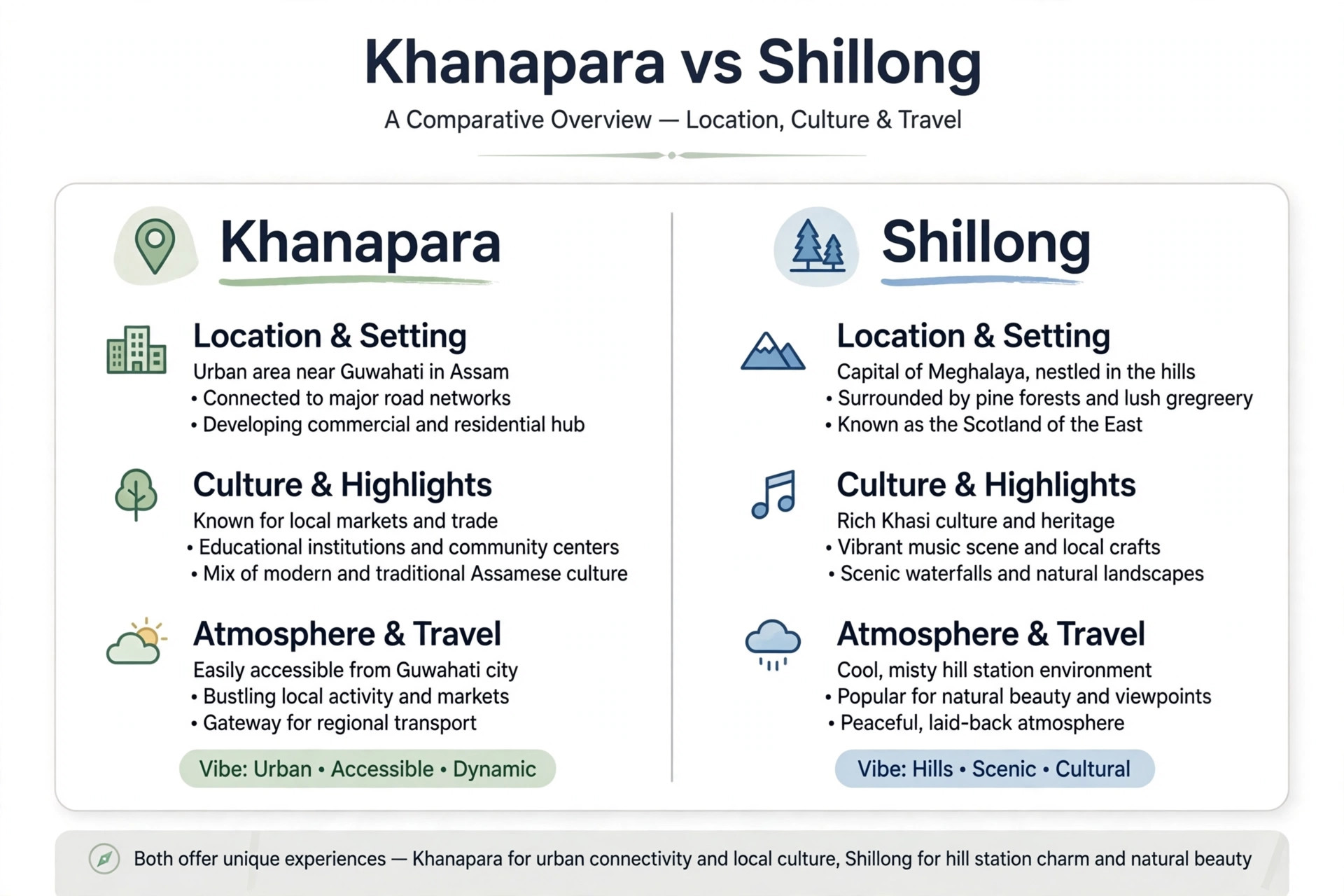
Shillong players often assume the two markets work identically. They mostly do, but the differences are exactly where mistakes happen. Here is an honest comparison.
Same roots, same mechanics
Both games descend from the same tradition of Khasi archery, and both use the same core mechanism: archers shoot at a target over a fixed window, officials count the arrows that strike, and the result is the last two digits of that count. Both markets run a first round (FR) and a second round (SR), both are legal lotteries conducted under the Meghalaya regulatory framework, and both announce their results openly at the ground before the figures travel to counters and websites. If you understand how a Shillong round works, you already understand the engine of the assam teer result.
Different grounds and different organizers
The Polo Ground in Shillong and the Khanapara ground in Guwahati are run by different organizing clubs with their own licences, their own committees, and their own ground staff. This is not a technicality. It means the schedule of one market does not bind the other, the counting teams are different people, and the administrative decisions of one club do not apply to the other. Treat them as two separate institutions that happen to play the same sport.
Different sessions and timings
The Khanapara market runs its own program of sessions, including a morning session and a regular afternoon session, each with FR and SR rounds. These sessions declare at their own fixed times, which do not match the Shillong market’s timetable. A Shillong player checking the assam teer result must learn the Khanapara rhythm from scratch: morning rounds declare in the earlier part of the day, the afternoon FR declares in the afternoon, and the afternoon SR declares in the evening. Do not assume that because you know when Shillong declares, you know when Khanapara declares.
Different result cards
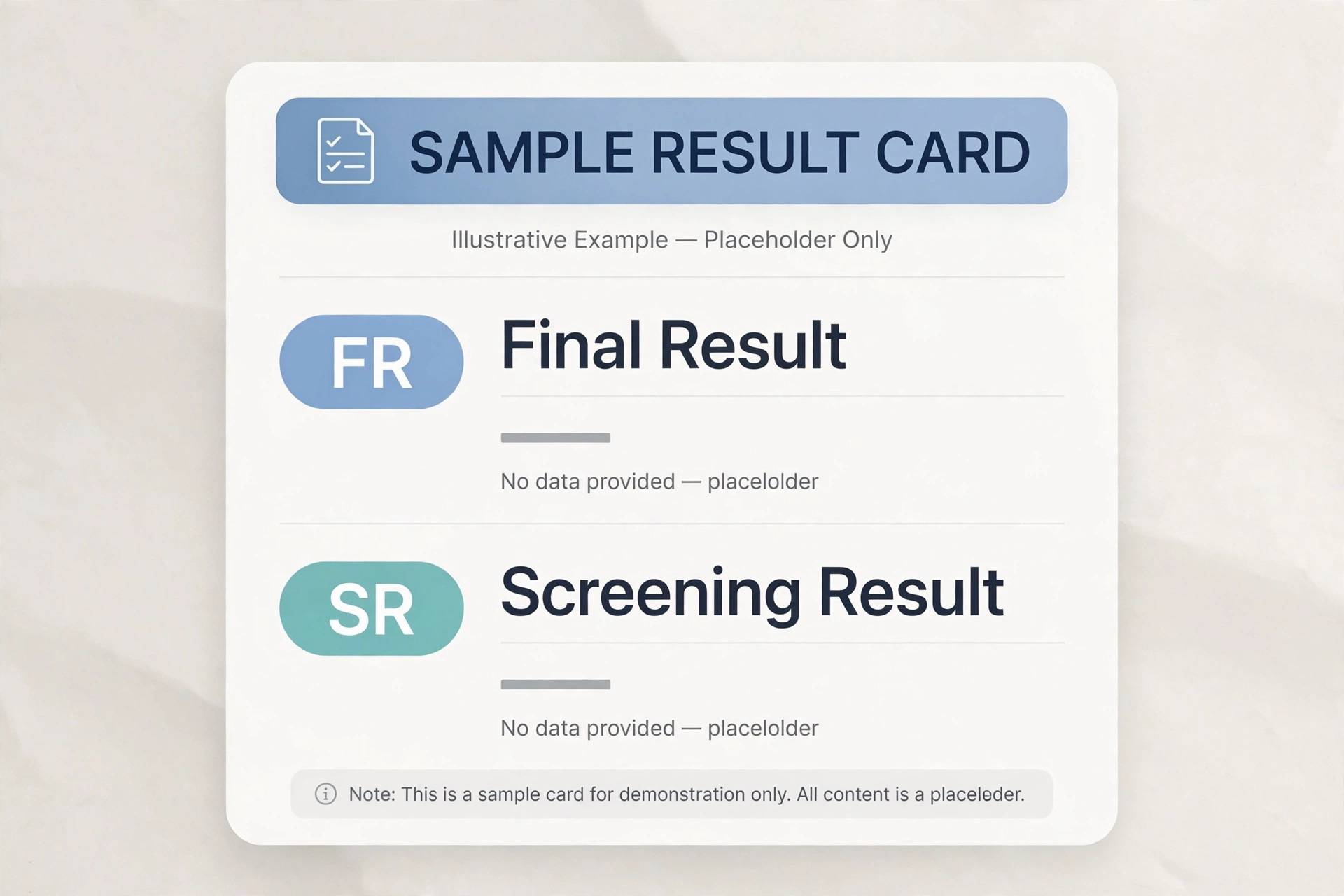
Because the sessions and timings differ, the daily result card for Assam teer looks different from the Shillong card you are used to. The Khanapara card lists the morning session’s FR and SR and the afternoon session’s FR and SR as separate, labelled entries. Our Khanapara morning teer result page keeps the morning program clearly separated from the afternoon program so a Shillong visitor never confuses the two.
Why the distinction protects you
There is a practical reason to insist on the difference. Scams that target teer players often blur the markets: a “result” screenshot labelled with one market’s name but showing another market’s figures, or a tipster mixing Shillong and Khanapara numbers in one message. If you can keep the two markets cleanly separated in your head, these tricks become obvious. The assam teer result comes from Khanapara, through Khanapara’s licensed organizers, on Khanapara’s schedule. Anything else is noise.
How to read the assam teer result if you know the Shillong card
Good news: if you can read a Shillong result card, you can read the Khanapara card in about a minute. The format is the same two-digit figure per round, derived the same way. The only learning curve is the labelling.
Mapping the sessions
Start by finding the session labels. The Khanapara card is organized into a morning section and an afternoon section, each showing FR and SR. Read the label before you read the number. On our teer result list page, every figure carries its market, session and round labels, so you can follow a full week of the assam teer result without guessing which number belongs where.
The dash placeholder
One convention is worth knowing explicitly. Where a Shillong card might show a blank or a “pending” note, many result sites show a “-” for a Khanapara round that has not been declared yet or did not take place. The dash is a placeholder, not a number, not a signal, and not a prediction. It simply means there is nothing to report for that slot right now. Never act on a dash, and be suspicious of anyone who tells you a dash “means” something.
Verifying the date
Shillong players sometimes check results late in the evening and accidentally read the previous day’s card, or they open a forwarded screenshot whose date has been cropped out. The Khanapara card is dated like any other, and the discipline is the same: confirm the date on the card, confirm the session, confirm the round, and only then treat the number as the declared figure. Two minutes of verification saves real money.
Visiting Khanapara to watch the assam teer result live
Many Shillong teer enthusiasts eventually make the trip down to Khanapara to watch the Assam teer game in person. It is a straightforward journey and a worthwhile experience, but it helps to know what you are walking into.
The journey down
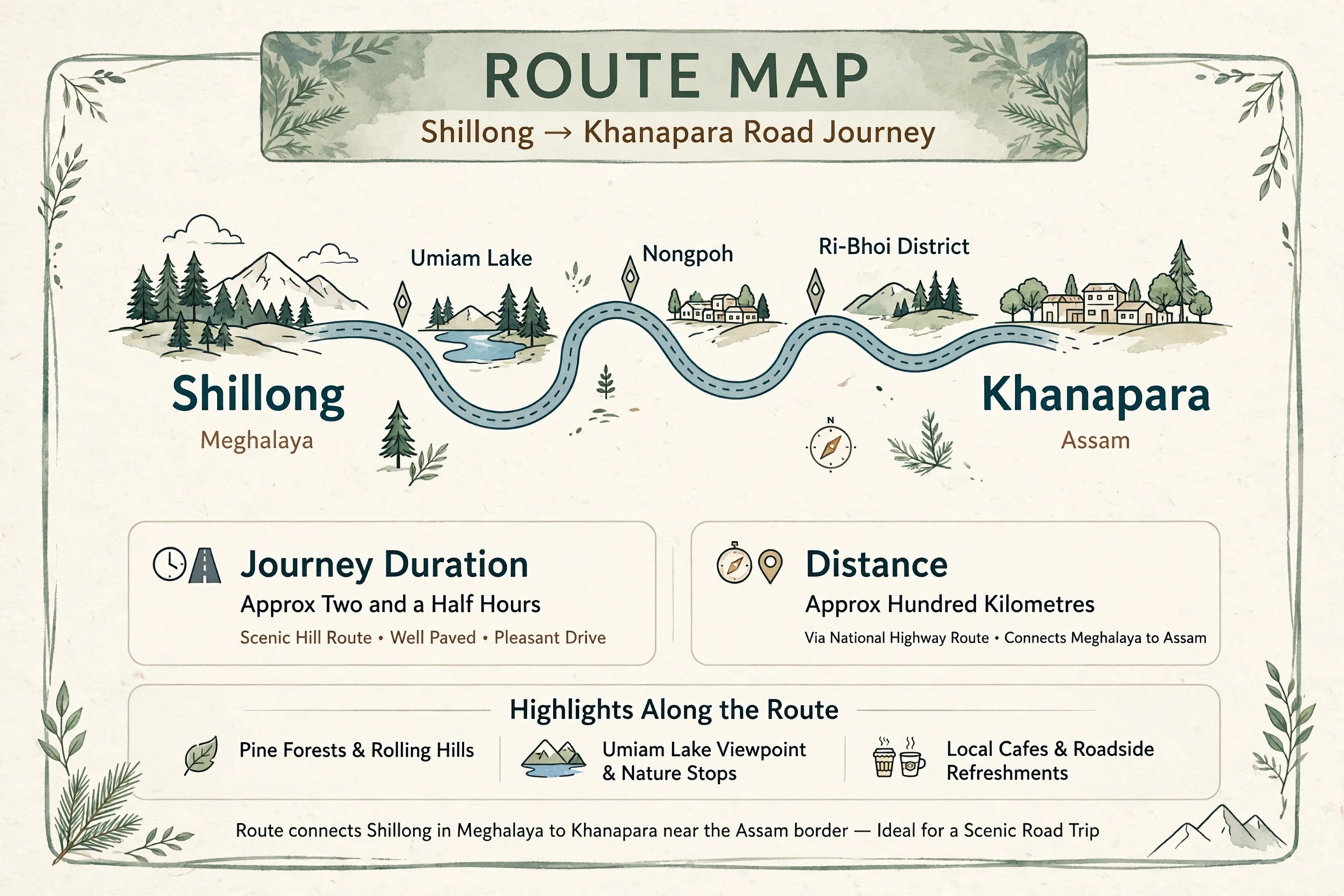
Shillong to Khanapara is a road journey of a few hours, descending from the Khasi Hills to the Brahmaputra valley. The route passes through the border region and into the Guwahati outskirts, and Khanapara lies on the southern side of the city. Most visitors travel by shared taxi or private vehicle, and the trip is commonly done as a day visit. Plan to arrive well before the round you want to watch, because the ground fills up and the area around the counters gets busy.
At the ground
Expect a scene that rhymes with the Polo Ground but does not copy it. The shooting line, the target at the far end, the officials and counters, the ticket counters doing brisk business, the tea stalls and the running commentary of the regulars: all of it will feel familiar. What will feel different is the scale and the crowd. Khanapara draws from the Guwahati metropolitan area and the surrounding districts, so the audience is larger and more mixed than a typical Shillong day. The archers shoot the same traditional style, and the counting is done in the open just as you would expect.
One detail worth savouring is the counting itself. At the Polo Ground you may have watched it a hundred times, but seeing a different crew of counters work a different target, with the crowd reacting to each confirmed strike, reminds you why the system is trusted: the number is not produced anywhere you cannot see. Many visitors say this is the moment the assam teer result stops being an abstraction on a phone screen and becomes a physical event they witnessed. If you go, position yourself where you can see both the shooting line and the target, arrive early enough to watch the officials prepare the ground, and pay attention to the announcements that mark the start and end of each shooting window. Those small rituals are the visible machinery of the result.
Etiquette for visitors
A few unwritten rules will serve you well. Do not cross the shooting line or approach the target area during a round; the marshals take the safety perimeter seriously. Do not argue with the counters; the count is conducted under official supervision and there is a defined process for disputes. Buy tickets only from the licensed counters at the ground, never from touts. And keep your expectations modest about photography and phones near the shooting area: follow whatever the ground staff announce on the day.
Buying tickets as a visitor
If you want to play while you are there, the licensed counters at the ground sell tickets for the session’s FR and SR. The process will feel familiar: choose your numbers, pay, receive your ticket or receipt, and keep it safe. The 18-plus rule applies exactly as it does in Shillong, and the same responsible-play discipline applies: set a budget before you arrive, and treat the day as entertainment.
Common mistakes Shillong players make with Assam teer
After years of watching the two markets side by side, the same errors repeat. Here are the ones to avoid.
Checking the wrong market’s timing
The single most common mistake is checking the assam teer result on Shillong’s clock. A player who knows the Polo Ground schedule by heart will glance at a Khanapara slot at the wrong hour, see a dash or an old figure, and draw the wrong conclusion. Learn the Khanapara session rhythm as its own thing: morning program earlier in the day, afternoon FR in the afternoon, afternoon SR in the evening.
Mixing up the morning programs
Both markets have morning activity, and the names sound alike enough to confuse. The Khanapara morning session is its own program with its own FR and SR, separate from anything that happens at the Polo Ground. When you open the morning figures, confirm you are on the Khanapara morning page and not a Shillong morning listing.
Trusting cross-market tipsters
The teer tipster economy loves Shillong players who are curious about Khanapara, because confusion is profitable. Messages that bundle “Shillong plus Assam” numbers, “combined” charts, or cross-market “common numbers” have no basis in either market’s licensed process. Each market’s result comes from its own archery rounds. There is no legitimate combined number, and there are no predictable numbers in either market. Our article on the Khanapara game explains the counting process in detail, and the conclusion is the same for both markets: nobody can predict an archery round.
Forgetting the date on old cards
Result archives are useful, but an undated screenshot is a trap. Before the smartphone era this mattered less; today, old Khanapara cards circulate in messaging apps with the date cropped out, presented as current. Always check the date header on the card itself, and prefer sources that show the full dated card rather than isolated numbers.
The legal and responsible-play picture
Because this guide is written for Shillong players, most of you already know the legal background: teer is a legal lottery in Meghalaya, run by licensed clubs under state law, taxed and supervised. The Khanapara game operates within that same framework. The practical points are worth repeating for the cross-market player: buy only from licensed counters, keep your tickets, verify results against reliable sources, and remember that the 18-plus age rule and responsible-play expectations apply at Khanapara exactly as they do at the Polo Ground. Set a budget, never chase losses, and stop when the fun stops.

Frequently asked questions from Shillong players
Is the assam teer result the same as the Shillong teer result?
No. The assam teer result comes from the Khanapara ground near Guwahati, while the Shillong result comes from the Polo Ground in Shillong. They are separate markets with separate organizers, sessions, timings and declared numbers, even on the same day.
What is the difference between Khanapara teer and Assam teer?
There is no difference. “Assam teer” is the common name for the Khanapara teer game, named after the state where the ground is located. Searches for guwahati teer result and teer result assam all refer to the Khanapara market.
Do the Shillong and Khanapara games use the same rules?
The core mechanism is the same: archers shoot at a target, officials count the arrows that strike, and the last two digits of the count become the result. The sessions, timings, organizers and grounds differ between the two markets.
When is the assam teer result declared?
The Khanapara market declares its results at fixed times each working day. The morning session declares earlier in the day, the afternoon session declares its FR in the afternoon and its SR in the evening. Check the Khanapara teer result page for the declared figures with their session labels.
Can I visit the Khanapara ground from Shillong?
Yes. It is a road journey of a few hours from Shillong down to the Guwahati outskirts. Arrive before the round you want to watch, buy tickets only from licensed counters, respect the safety perimeter, and follow the ground staff’s instructions.
Why do I sometimes see a dash instead of a number?
A dash is a placeholder meaning the round has not been declared yet or did not take place, for example because of weather, a holiday or a scheduling change. It is not a result and not a prediction.
Are cross-market “combined” teer numbers real?
No. Each market declares its own results from its own archery rounds. There is no official combined Shillong-plus-Khanapara number, and anyone selling one is running a scam.
Can anyone predict the assam teer result?
No. The result depends on a live archery round under open conditions, and no person or system can predict how many arrows will strike the target. Ignore all “common number” and “hit number” claims.
Conclusion
The assam teer result is the Shillong player’s neighbouring game: same archery soul, different ground, different organizers, different rhythm. Learn the Khanapara sessions on their own terms, read the card by its labels, verify the date, and you will never confuse the two markets. And if you make the trip down from Shillong, go for the experience as much as the numbers: there is nothing quite like standing at the edge of a teer ground while the arrows fly. Start with the declared figures on our Khanapara teer result page, and explore the full archive on the Shillong Teer Result homepage.