Before you can follow a single result, you need a ticket, and before you buy a ticket, you need to understand teer ticket price: how much a ticket costs, who sets the price, what the price gets you, and how to buy safely. This guide answers all of those questions for Shillong and the wider Meghalaya teer markets. One important note up front: exact counter rates can vary by market and over time, and the only authoritative source for today’s price is the licensed counter itself. This guide explains the pricing system honestly without inventing figures, so you always know what to ask and what to expect when you walk up to a counter.
Teer Ticket Price – How the Pricing System Works
Teer tickets are sold in small, affordable denominations through a network of licensed counters, and the pricing follows a simple logic: the game is designed as mass participation entertainment, so tickets are priced so that ordinary daily players can take part without strain. The exact rates are set within the licensed system for each market, which means the price you pay at a Shillong counter is consistent across Shillong’s licensed counters, and similarly for Juwai and Khanapara within their own networks.
The price of a ticket is tied to the numbers you choose to play. A standard ticket covers your chosen two digit numbers for a specific session and round. If you want to play multiple numbers, you buy accordingly, and your total spend is the per number rate multiplied by how many numbers you play. This is why experienced players talk about their “daily budget” rather than a single ticket price: the meaningful number is what you spend across all your plays in a day, not the cost of one slip.
Two things every buyer should understand. First, the ticket price is separate from any winnings. The price buys your entry into the round; the payout, if your number is declared, follows the prize structure of that market and round. Second, prices are quoted per ticket at the counter, and there are no hidden charges in the official system. If anyone asks you to pay extra fees, “service charges,” or “booking amounts” on top of the ticket price, you are not dealing with the official process.
Because rates can be adjusted over time by the organizing associations, treat any price you read online, including in this guide, as background rather than gospel. The counter’s board is the truth. A good habit is to confirm the current rate aloud when you buy: “How much per ticket today?” takes three seconds and removes all doubt.
Where to Buy – Licensed Teer Counters in Shillong
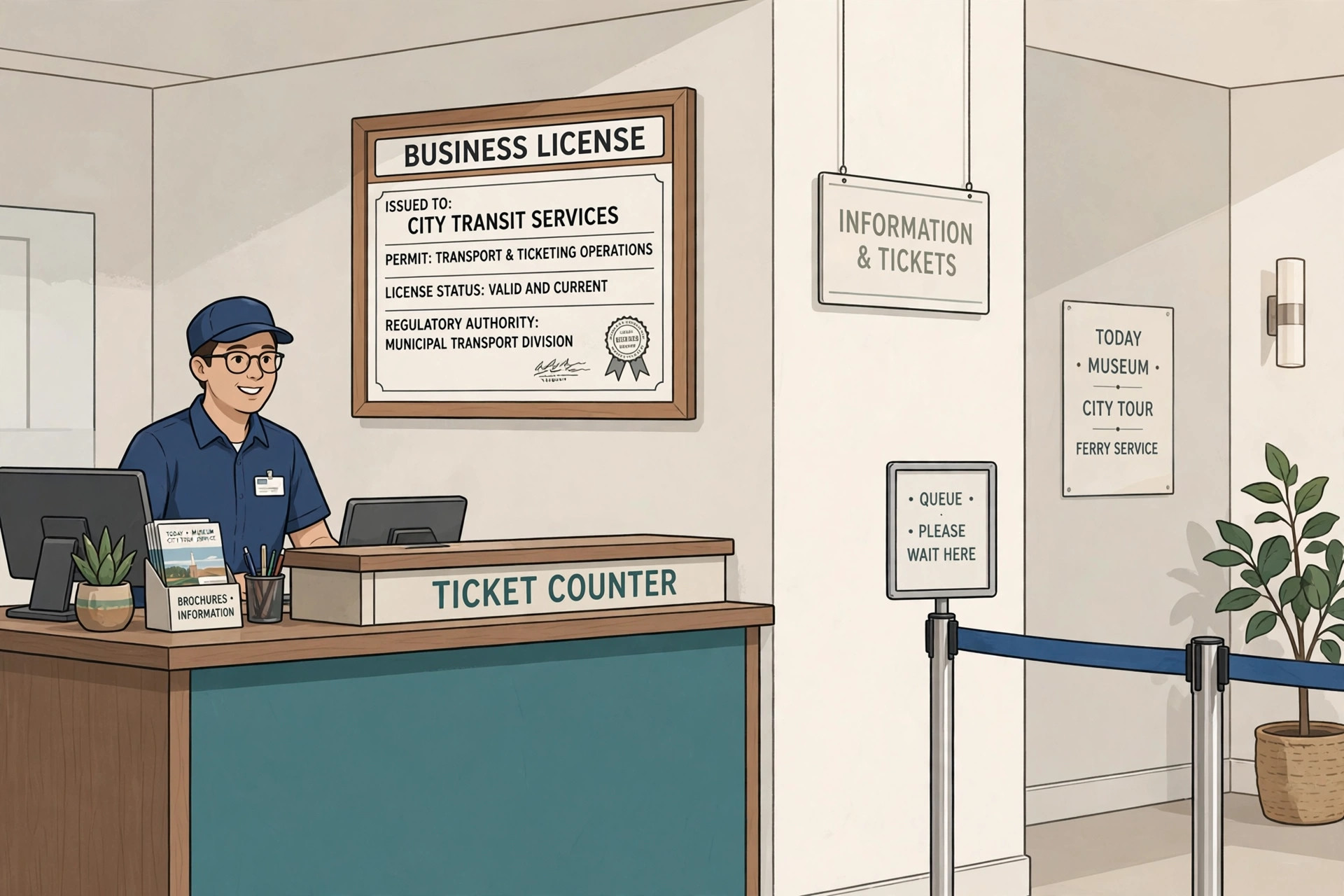
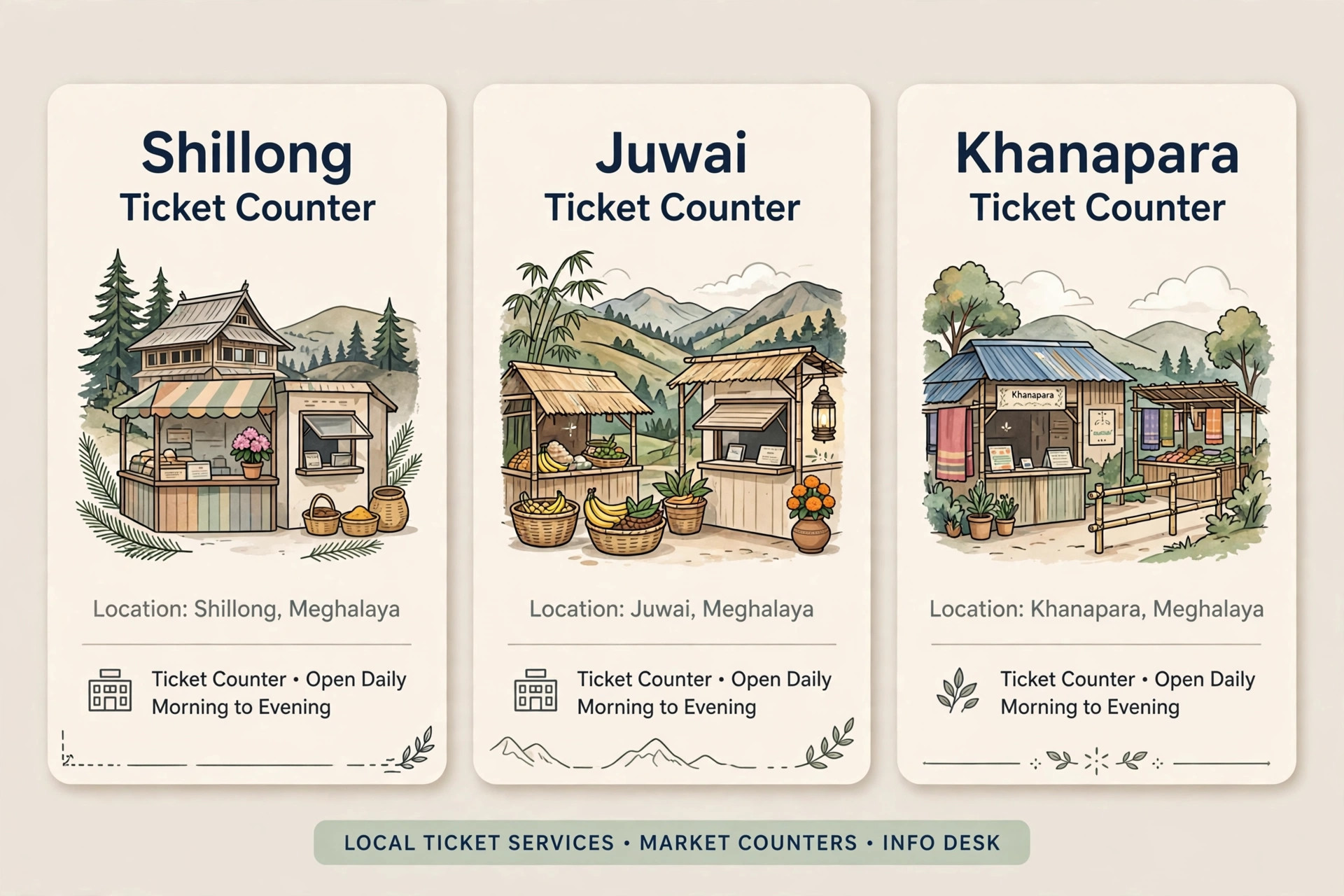
Teer tickets are sold only at licensed counters. In Shillong, these counters are spread across the city: near markets, in commercial areas, and within neighborhoods where regular players live and work. A licensed counter displays its authorization visibly. If you cannot see any license or permit displayed, treat that as a warning sign and buy elsewhere.
The counter is more than a shop. It is your point of contact for everything in the game: buying tickets, checking declared results on the counter’s board, and claiming winnings. Building a relationship with one regular counter is the single best piece of practical advice for any teer player. A counter that knows you will answer your questions patiently, show you the current rate without being asked, and process your claims without friction. Regulars also learn the counter’s rhythm: when it is quietest, when new ticket batches arrive, and how the staff prefers to handle busy declaration periods.
Counter hours follow the game. Counters open in the morning before the first session’s ticket sales close, stay open through the day sessions, and the night counters operate into the evening. Ticket sales for each round close before the round is shot, which is a hard rule: once the archers begin, no more tickets for that round can be sold anywhere. Arriving early is always better than arriving at the cutoff, when queues are longest and mistakes are most likely.
If you are new to Shillong or visiting, ask a local to point you to a well known licensed counter rather than wandering. Hotel staff, shopkeepers, and taxi drivers in teer playing areas all know where the reputable counters are. And remember the legal basics: teer is a state regulated lottery in Meghalaya for adults aged 18 and above. Counters will not sell to minors, and you should never attempt to buy on a minor’s behalf.
Teer Ticket Price Across Markets – Shillong, Juwai, Khanapara and Jowai
Each teer market operates its own counter network, and while the pricing philosophy is the same everywhere (small denominations, mass participation), the administration is per market. Shillong’s counters serve the Shillong morning, day, and night sessions. Juwai’s counters serve the Juwai morning and day sessions. Khanapara’s network, centered near Guwahati on the Assam side, serves the Khanapara sessions. Jowai and Ladrymbai have their own local counters for the Jaintia Hills game.
This matters for ticket buyers in a practical way: buy the ticket from the counter network of the market you want to play. A Shillong counter sells Shillong tickets. If you want to play Juwai, find a counter that handles Juwai sales. Many counters in the larger towns handle multiple markets, which is convenient, but always confirm which market your ticket is for before you pay. The market name should be printed or written on the ticket itself.
Traveling players should note that a ticket bought in one market is claimed in that market’s network. A Juwai ticket bought in Shillong is still a Juwai ticket: it is settled against the Juwai declaration, and winnings are claimed through the Juwai chain. Keep tickets from different markets separate and labeled, so you never present the right ticket to the wrong counter.
For result checking across markets, this site keeps each market on its own page: the Shillong teer result page, the Juwai teer result page, and the archive at the teer result list page. Checking the right market’s page before you buy, especially if you are playing an unfamiliar market, helps you understand its sessions and rhythm.
What Your Teer Ticket Price Gets You – Reading Your Ticket
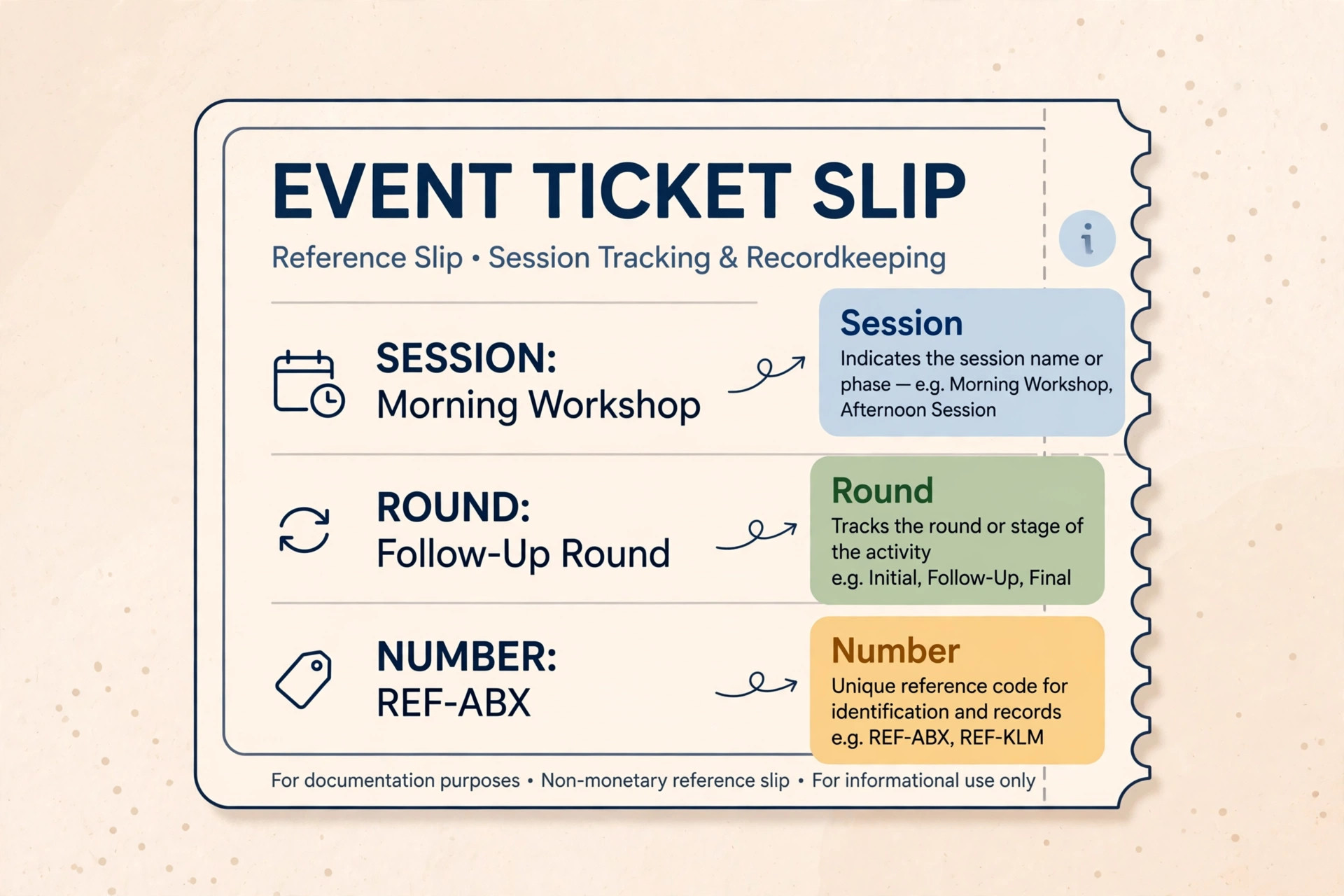
A teer ticket is a small slip, but it carries everything needed to settle your play. Learning to read it takes a minute and prevents most ticket related disputes. Every proper ticket shows the market name (Shillong, Juwai, Khanapara, or Jowai/Ladrymbai), the session (morning, day, or night), the round (FR for first round, SR for second round), the date of play, and the numbers you have played. Some tickets also show a serial number, which is the counter’s internal reference.
Check all of these before you leave the counter. The most common ticket error is the wrong session: a player asks for the day game and receives a morning ticket, or vice versa, usually during a rushed transaction at a busy hour. The second most common is the wrong round. Both are trivially fixable at the counter within seconds and essentially unfixable once you have walked away. Make the check a ritual: market, session, round, date, numbers. Five seconds, every time.
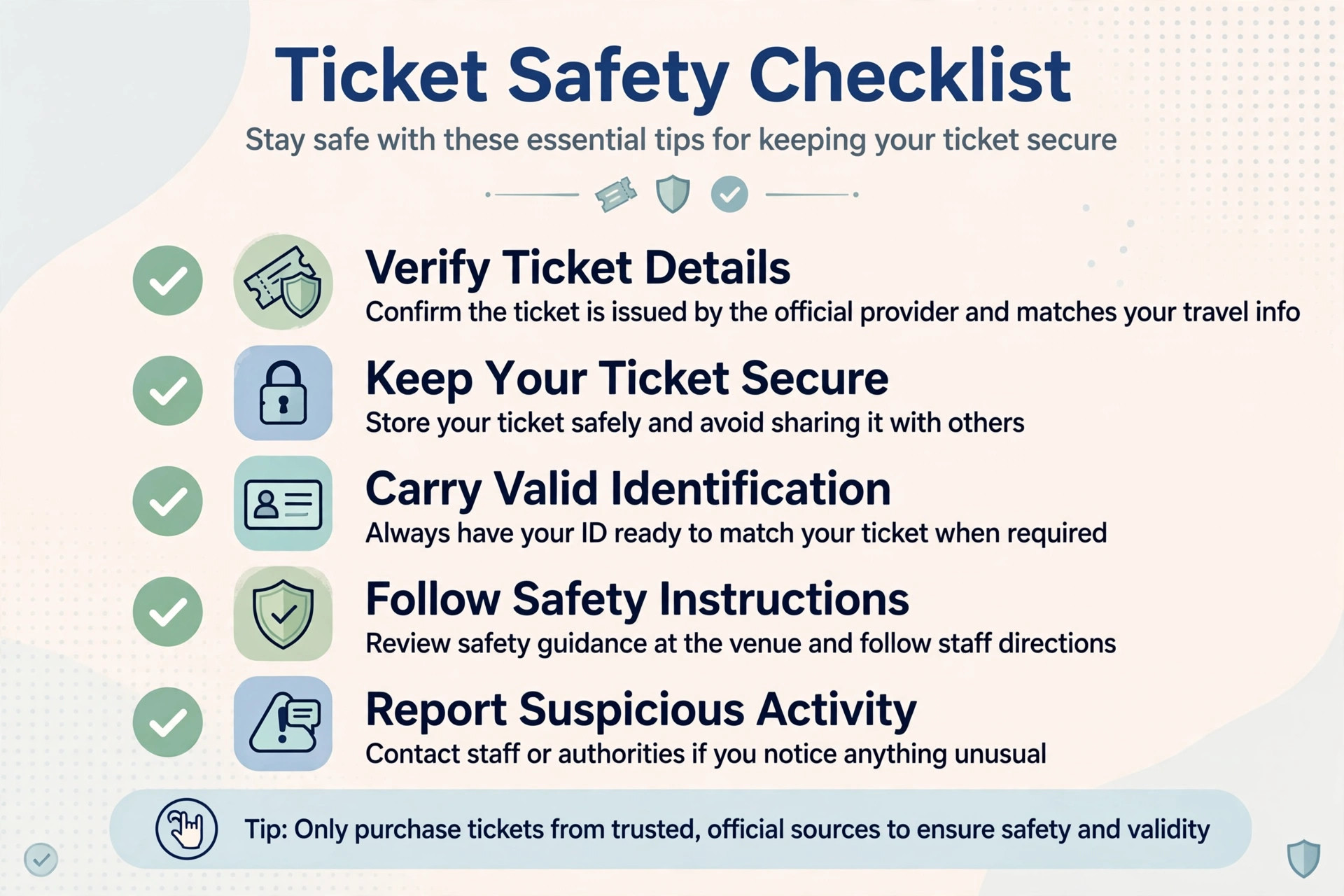
Your ticket is a bearer instrument: whoever holds it can claim with it. This is why ticket safety is non negotiable. Keep tickets dry, flat, and separate from items that could damage them. Photograph each ticket immediately after purchase, capturing the market, session, round, date, and numbers clearly. The photograph is a backup for your records and a help in disputes, though the physical ticket remains the primary claim document.
Never buy a ticket that is already filled in by someone else, never accept a ticket without a clear date, and never buy from anyone who cannot show a license. These three rules filter out nearly every ticket scam in existence.
Teer Ticket Price and Your Budget – Playing Within Your Means
The affordability of teer tickets is a feature, but it has a psychological edge: because each ticket costs little, it is easy to lose track of total spending across many tickets, many numbers, and many days. Responsible players manage this with a simple discipline: a fixed daily or weekly budget, decided in advance, and never exceeded.
Set your budget as an amount you can spend on entertainment without affecting your obligations. Write it down. When you reach it, stop for the day, regardless of how the sessions are going. The most dangerous moment in any lottery is the losing streak that tempts you to “win it back” by spending more. Teer rounds are independent events; spending more after losses does not improve your chances, it only deepens the hole. The budget is your protection against this exact trap.
Keep a small spending log if you play regularly: date, amount spent, amount won. Most players who do this for a month are surprised by the totals, and the surprise is instructive. The log turns a vague feeling about spending into a concrete number, and concrete numbers support better decisions. If the number ever makes you uncomfortable, that discomfort is valuable information. Reduce your play or take a break.
It is also worth understanding what the ticket price does not buy. It does not buy information, influence, or improved odds. No seller, agent, or “expert” can improve your chances in exchange for money, because the result is decided by archery after ticket sales close. Anyone offering to sell you winning certainty, whether as “common numbers,” “hit numbers,” or any other label, is running a scam. The official ticket price is the only legitimate amount anyone should ever ask you to pay in connection with teer.
Teer is entertainment with a cost, and like all entertainment, it should fit inside a life, not dominate it. If playing ever feels compulsive, or if you are spending money you cannot afford, stop and talk to someone you trust. There is no shame in stepping back, and there is no system that makes continued play wise.
Buying Teer Tickets Safely – Avoiding Overcharging and Fakes
Most ticket transactions are honest, but the game’s popularity attracts a fringe of fraud, and buyers should know the defenses. The first defense is the licensed counter itself: buy only where a license is displayed, and be wary of street sellers, messengers offering to “place your numbers,” and anyone selling tickets away from an established counter.
The second defense is price awareness. Know the current per ticket rate at your regular counter, and question any deviation. A seller charging above the standard rate is either uninformed or dishonest; either way, buy elsewhere. There are no legitimate surcharges, express fees, or premium rates in the official system. The price is the price.
The third defense is ticket inspection, covered above: market, session, round, date, numbers, all clear and correct before you leave. A fake or sloppy ticket often betrays itself here: missing dates, vague market labels, or handwriting that does not match the counter’s usual style. When in doubt, ask the counter staff to confirm the ticket in front of you. Honest counters welcome the question.
The fourth defense concerns the digital realm. Teer tickets are physical counter sales. Be deeply skeptical of websites, apps, or social media accounts that claim to sell teer tickets online, collect payments digitally, or credit winnings to accounts. The official game runs through licensed physical counters, and online ticket sellers are overwhelmingly fraudulent. Never send money to an online teer ticket seller, no matter how professional their page looks.
Finally, protect your personal information. Claiming a win requires showing your ticket and, for larger amounts, identification. It never requires sharing bank passwords, one time passcodes, or advance fees. Any “claim process” that asks for such things is a scam wearing the game’s clothes.
Frequently Asked Questions
How much does a teer ticket cost?
Teer tickets are sold in small, affordable denominations at licensed counters, with the exact rate set within each market’s licensed system. Rates can vary by market and may be adjusted over time, so the authoritative price is always the one displayed at your licensed counter. Confirm the current rate aloud when you buy.
Where can I buy teer tickets in Shillong?
At licensed counters across the city, identifiable by their displayed authorization. Ask locals for a well known counter if you are new to the area. Tickets are physical counter sales only; be skeptical of anyone selling teer tickets online or away from an established counter.
Can I buy tickets for Juwai or Khanapara in Shillong?
Many counters in larger towns handle multiple markets, but always confirm which market your ticket is for before paying. The market name should appear on the ticket. Remember that a ticket is settled against its own market’s declaration and claimed through that market’s counter network.
What should I check on my ticket before leaving the counter?
Five things: the market name, the session (morning, day, or night), the round (FR or SR), the date, and the numbers you played. Errors caught at the counter are fixed in seconds; errors discovered later are far harder to resolve.
Is there any extra fee on top of the teer ticket price?
No. The official system has no surcharges, service charges, or booking fees. If anyone asks you to pay extra beyond the ticket price, you are not dealing with the official process. Walk away and buy from a licensed counter.
What should I do if a seller overcharges me?
Do not buy from that seller. Note the location and, if you wish, report it to the organizing association or to other players as a warning. Stick to your regular licensed counter where the rate is known and consistent.
Are online teer ticket sellers legitimate?
Overwhelmingly, no. The official game runs through licensed physical counters. Websites, apps, and social media accounts claiming to sell tickets online or credit winnings digitally should be treated as fraudulent. Never send money to an online teer ticket seller.
Is teer legal, and who can play?
Teer is a legal, state regulated lottery in Meghalaya, strictly for adults aged 18 and above. Official state information is available on the Meghalaya government portal, and regional background is on Wikipedia. Always play responsibly and within a fixed budget.
Conclusion
Understanding teer ticket price is really about understanding the system behind the price: licensed counters, per market administration, honest small denominations, and no hidden charges. Buy from licensed counters, verify your ticket on the spot, keep it safe, budget your play, and ignore everyone selling certainty. Do those six things and the ticket buying side of teer stays exactly what it should be: simple, fair, and under your control. And whenever you want to follow the game itself, from morning declarations to night results, the daily result pages on this site keep every market’s numbers in one reliable place.
Teer is a legal lottery in Meghalaya for adults aged 18 and above. Play responsibly.